
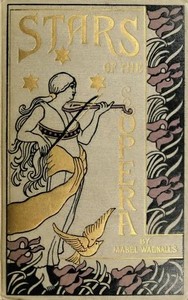
Stars of the Opera: A Description of Operas & a Series of Personal Interviews with Marcela Sembrich, Emma Eames, Emma Calvé, Lillian Nordica, Lilli Lehmann, Geraldine Farrar & Nellie Melba
Written by Mabel Wagnalls
Chaptra reads alongside you — AI insights, chapter breakdowns and reader discussions for every book. Join free
About this book
Reading guide
Themes, characters and key ideas in Stars of the Opera: A Description of Operas & a Series of Personal Interviews with Marcela Sembrich, Emma Eames, Emma Calvé, Lillian Nordica, Lilli Lehmann, Geraldine Farrar & Nellie Melba, written by Chaptra AI.
- about 8 hours
- intermediate
- Inspiring
- Informative
- Appreciative
Mabel Wagnalls' "Stars of the Opera" offers a captivating glimpse into the golden age of grand opera through a series of descriptive accounts and intimate personal interviews with its leading luminaries. Published in the early 20th century, the book introduces readers to the exhilarating atmosphere of celebrated performances, vividly capturing the formidable talent and dedication of iconic singers such as Marcella Sembrich, Emma Eames, and Nellie Melba. Through these candid conversations, Wagnalls illuminates the rigorous training, profound artistry, and emotional commitment that define the world of professional opera. It serves as both a historical document and a testament to the enduring power and allure of the operatic stage and its extraordinary stars.
“The stage, that crucible of emotion and artistry, demands every fiber of one's being, every ounce of dedication.”
Key themes
- The Artistry and Discipline of Opera
- This theme explores the immense dedication, rigorous training, and inherent talent required to reach and maintain the pinnacle of operatic performance. Wagnalls highlights the arduous journey from early musical education to mastering complex vocal techniques and dramatic interpretations, emphasizing that the 'formidable talent' seen on stage is the result of years of 'hard work and dedication.'
- The Emotional Resonance of Performance
- The book delves into the profound emotional connection performers forge with their roles and the audience, examining the 'emotional weight' felt by singers. It explores their ability to convey complex human experiences through music and drama, and the collective emotional experience shared between artist and audience during a grand performance.
- The Role of the Diva in Early 20th Century Society
- This theme implicitly investigates the societal position, cultural impact, and evolving agency of these prominent female opera singers during a transformative historical period. It explores how these 'stars' navigated public and private lives, managed their celebrity, and influenced popular culture, often serving as powerful, independent figures in an era where women's roles were rapidly changing.
Worth discussing
How does Wagnalls' portrayal of opera stars differ from modern celebrity journalism? What are the advantages and disadvantages of her approach?
Chapter-by-chapter breakdowns, character arcs and the full thematic analysis come with a free account.
Discussions
No one has started one yet
Questions this book opens up
No discussions yet
Be the first to start a discussion about this book!
Sign up to start the discussionReviews
No reviews yet
Be the first to review this book!