
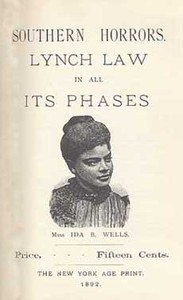
Southern Horrors: Lynch Law in All Its Phases
Written by Ida B. Wells-Barnett
Chaptra reads alongside you — AI insights, chapter breakdowns and reader discussions for every book. Join free
About this book
Reading guide
Themes, characters and key ideas in Southern Horrors: Lynch Law in All Its Phases, written by Chaptra AI.
- about 8 hours
- intermediate
- incensed
- expository
- urgent
Ida B. Wells-Barnett's "Southern Horrors: Lynch Law in All Its Phases" is a seminal investigative pamphlet from the early 1890s that meticulously exposes the brutal reality of lynching in the American South. Wells-Barnett systematically dismantles the prevalent racist narrative that justified lynchings as punishment for the alleged rape of white women, providing compelling evidence that these accusations were often baseless pretexts for racial terrorism. Through a powerful blend of detailed case studies, statistical data, and impassioned argumentation, she reveals that lynchings were primarily tools of white supremacy, designed to maintain social hierarchy and suppress African American economic and political advancement. The work serves as an urgent call to action, demanding national recognition of these injustices and advocating for resistance against racial violence and the denial of due process.
“"The people of this country must be made to know that the American conscience has been seared; that American chivalry is a hollow mockery and a cruel snare; and that the honor of women is a thing to be sneered at and trampled under foot by the very men who in public profess to idolize it."”
Key themes
- Racial Injustice and White Supremacy
- This is the overarching theme. Wells-Barnett meticulously exposes how lynching was a primary tool for enforcing white supremacy and maintaining racial hierarchy in the post-Reconstruction South. She demonstrates that lynchings were not random acts of violence but calculated acts of terror designed to subjugate African Americans and deny them their rights and humanity.
- Truth vs. Propaganda and Misinformation
- Wells-Barnett's work is a direct assault on the propaganda that justified lynching. She contrasts the widely accepted 'rape myth' with documented facts, statistics, and testimonies, asserting the power of truth to expose injustice. The book highlights how narratives can be weaponized to dehumanize entire groups and legitimize violence.
- The Weaponization of Sexual Violence Accusations
- A critical theme is Wells-Barnett's exposure of how the accusation of rape, specifically against Black men by white women, was strategically employed as a pretext for racial terror. She argues that these accusations were often unfounded, used to rally white mobs, and served to control Black male sexuality and suppress Black social and economic advancement, rather than genuinely protect white women.
Worth discussing
How does Wells-Barnett systematically debunk the 'rape myth,' and what rhetorical strategies does she employ to convince her audience?
Chapter-by-chapter breakdowns, character arcs and the full thematic analysis come with a free account.
Discussions
No one has started one yet
Questions this book opens up
No discussions yet
Be the first to start a discussion about this book!
Sign up to start the discussionReviews
No reviews yet
Be the first to review this book!