
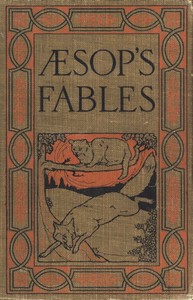
Æsop's Fables: A Version for Young Readers
Written by Aesop,J. H. (Jenny H.) Stickney
Chaptra reads alongside you — AI insights, chapter breakdowns and reader discussions for every book. Join free
About this book
Reading guide
Themes, characters and key ideas in Æsop's Fables: A Version for Young Readers, written by Chaptra AI.
- about 8 hours
- beginner
- didactic
- moralistic
- educational
J. H. Stickney's 'Æsop's Fables: A Version for Young Readers' is a foundational collection of moral tales, originally authored by Aesop, adapted for a younger audience in the early 20th century. Through anthropomorphic animal characters, the book delivers timeless lessons on virtue, vice, and human nature in an accessible and engaging manner. Each fable, such as 'The Wolf and the Lamb' or 'The Fox and the Grapes,' presents a clear narrative culminating in a distinct moral, aiming to instill ethical values and critical thinking in children. This edition serves as an important educational tool, blending entertainment with profound wisdom that transcends generations. It effectively introduces complex concepts like justice, greed, and rationalization through simple, relatable scenarios.
“The moral of the story is: Might makes right.”
Key themes
- Justice and Injustice
- This theme explores the concepts of fairness, moral rightness, and the often harsh reality that power can override justice. Many fables highlight situations where the innocent suffer due to the malice or strength of others, challenging readers to consider ethical responsibility.
- Greed and its Consequences
- Many fables serve as cautionary tales against excessive desire and avarice. They illustrate how the pursuit of more, often at the expense of what one already possesses, can lead to profound loss or misfortune.
- Wisdom and Folly
- A central theme across the collection, contrasting intelligent, prudent choices with foolish, impulsive, or naive decisions. Fables often highlight the benefits of foresight, humility, and careful consideration, and the dangers of pride, ignorance, and rashness.
Worth discussing
Do you agree with the moral of 'The Wolf and the Lamb'? Is it always true that 'might makes right'?
Chapter-by-chapter breakdowns, character arcs and the full thematic analysis come with a free account.
Discussions
No one has started one yet
Questions this book opens up
No discussions yet
Be the first to start a discussion about this book!
Sign up to start the discussionReviews
No reviews yet
Be the first to review this book!