
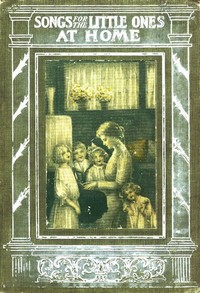
Songs for the Little Ones at Home
Written by Unknown author
Chaptra reads alongside you — AI insights, chapter breakdowns and reader discussions for every book. Join free
About this book
Reading guide
Themes, characters and key ideas in Songs for the Little Ones at Home, written by Chaptra AI.
- about 3 hours
- beginner
- uplifting
- gentle
- didactic
"Songs for the Little Ones at Home" is a collection of didactic poems and hymns primarily aimed at young children, published in the 19th century. Authored anonymously, it serves as a moral and spiritual guide, instilling virtues such as obedience, piety, kindness, and gratitude through simple, repetitive verses. The book reflects Victorian-era ideals of childhood innocence and the importance of early religious and moral education, covering themes like nature's beauty, familial love, and daily routines from a Christian perspective. It functions as both a source of comfort and instruction, designed to be read or sung within the domestic sphere.
“Be kind, my child, and ever true, / In all you say and all you do.”
Key themes
- Moral Instruction and Piety
- The central theme, emphasizing the importance of early moral and religious education. Poems consistently promote virtues such as obedience, kindness, honesty, gratitude, and humility. Faith in God and regular prayer are presented as fundamental to a child's character and well-being, guiding their actions and thoughts.
- The Beauty and Lessons of Nature
- Nature is frequently used as a gentle teacher and a source of wonder, illustrating God's creation and offering simple moral parallels. Observations of birds, flowers, sun, and rain are used to inspire awe, gratitude, and sometimes to convey lessons about patience, growth, or the benevolence of a higher power.
- Domesticity and Familial Love
- The home is portrayed as a sacred, safe, and loving space, central to a child's upbringing. The importance of parental love, guidance, and the warmth of family bonds is a recurring theme, often linked to the idea of a divinely blessed household. Children are encouraged to cherish their home and family.
Worth discussing
How do the moral lessons presented in this book compare to contemporary approaches to children's moral education?
Chapter-by-chapter breakdowns, character arcs and the full thematic analysis come with a free account.
Discussions
No one has started one yet
Questions this book opens up
No discussions yet
Be the first to start a discussion about this book!
Sign up to start the discussionReviews
No reviews yet
Be the first to review this book!