
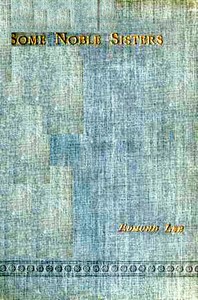
Some Noble Sisters
Written by Edmund Lee
Chaptra reads alongside you — AI insights, chapter breakdowns and reader discussions for every book. Join free
About this book
Reading guide
Themes, characters and key ideas in Some Noble Sisters, written by Chaptra AI.
- about 8 hours
- intermediate
- inspirational
- reflective
- historical
Edmund Lee's "Some Noble Sisters" is a late 19th-century historical account that delves into the lives of influential women, primarily focusing on their moral strength and the significant, often understated, power of sisterly bonds. The book highlights how these women, through ties of affection and dedication, shaped character and contributed to society across various domains like literature, politics, and social reform. Lee emphasizes the often-overlooked moral power women wielded, particularly within their families and through their roles as sisters, setting a tone of appreciation for their enduring influence. Through biographical sketches of figures such as Mary Sidney and Wilhelmina, Margravine of Baireuth, the author illustrates how these 'noble sisters' navigated societal frameworks and left indelible marks on their loved ones and the broader historical landscape. The work ultimately aims to celebrate female influence and the profound impact of sisterhood as a source of strength and inspiration.
“"The moral power that women wield in shaping character is often overlooked, yet it is a force of profound and lasting influence."”
Key themes
- Sisterhood and Female Bonds
- This is the central theme of the book, exploring the profound and multifaceted nature of sisterly relationships. Lee emphasizes how these bonds provide emotional support, moral guidance, and a foundation for women's influence. It examines both biological sisterhood and broader notions of female solidarity.
- Moral Influence and Strength
- Lee argues that women possess a unique moral power that subtly but profoundly shapes character and societal values. This theme explores how women, through their virtue, emotional intelligence, and steadfastness, exerted significant influence, often without direct political authority.
- Women's Contributions to History
- This theme highlights the specific, often understated, ways women contributed to various fields—literature, politics, social reform—despite societal constraints. Lee's work is an early attempt to document and celebrate these contributions, asserting women's active role in historical development.
Worth discussing
How does Lee define 'moral power' in the context of women and sisterhood? Is this definition still relevant today?
Chapter-by-chapter breakdowns, character arcs and the full thematic analysis come with a free account.
Discussions
No one has started one yet
Questions this book opens up
No discussions yet
Be the first to start a discussion about this book!
Sign up to start the discussionReviews
No reviews yet
Be the first to review this book!