
About this book
Reading guide
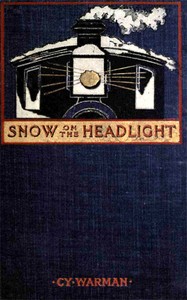
Themes, characters and key ideas in Snow on the headlight : $b a story of the great Burlington strike, written by Chaptra AI.
- about 8 hours
- intermediate
- tense
- realistic
- somber
Cy Warman's "Snow on the Headlight" is a historical novel set against the backdrop of the tumultuous Great Burlington Strike of the late 19th century, meticulously portraying the intense conflict between railway workers and company management. The narrative delves into the escalating tensions, the formation of grievances, and the ultimate decision to strike, primarily through the experiences of the engineers. It explores profound themes of loyalty among workers, the personal sacrifices made for collective action, and the stark, often brutal, realities faced by the labor force in industrial America. The story introduces key figures like Mr. Josler, the superintendent, and members of the grievance committee, setting the stage for a dramatic examination of class conflict and human endurance.
“"The headlight's gleam cuts through the snow, but for us, the path ahead is dark and uncertain."”
Key themes
- Labor vs. Capital
- This is the central conflict of the novel, exploring the fundamental struggle between the working class (labor) and the owning class (capital/management). The book details the power imbalance, the different objectives of each side (profit vs. fair wages/conditions), and the extreme measures taken by both to achieve their goals during the strike.
- Loyalty and Solidarity
- The theme explores the bonds that form among workers facing a common adversary, and the difficult choices individuals make regarding their allegiance. It examines loyalty to one's fellow workers, to one's family, and potentially a conflicted loyalty to the company that employs them. Solidarity is presented as a powerful, yet fragile, force essential for collective action.
- Sacrifice and Hardship
- This theme highlights the profound personal and economic costs endured by the striking workers and their families. It delves into the loss of income, the threat of homelessness, the hunger, and the emotional toll exacted by their stand against the company. Sacrifice is portrayed as a necessary, yet agonizing, component of their fight for justice.
Worth discussing
How does Warman portray the motivations and grievances of the striking workers, and how sympathetic are they made to appear?
Chapter-by-chapter breakdowns, character arcs and the full thematic analysis come with a free account.
Discussions
No one has started one yet
Questions this book opens up
No discussions yet
Be the first to start a discussion about this book!
Sign up to start the discussionReviews
No reviews yet
Be the first to review this book!