
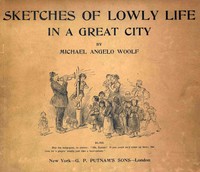
Sketches of lowly life in a great city
Written by Michael Angelo Woolf
Chaptra reads alongside you — AI insights, chapter breakdowns and reader discussions for every book. Join free
About this book
Reading guide
Themes, characters and key ideas in Sketches of lowly life in a great city, written by Chaptra AI.
- about 8 hours
- beginner
- humorous
- empathetic
- observational
Michael Angelo Woolf's "Sketches of Lowly Life in a Great City" is a late 19th-century collection of humorous illustrations and captions, offering a poignant yet light-hearted look into the lives of the urban poor. Through a series of vignettes, the book captures the daily struggles, resilience, and unique character of city dwellers, from playful children to struggling adults. It serves as both a social commentary, inviting empathy for those in challenging circumstances, and a celebration of the human spirit's ability to find humor and connection amidst adversity. Woolf masterfully combines visual storytelling with clever dialogue to paint a vivid picture of a bustling, often harsh, yet always vibrant urban landscape.
“"See, Ma! I caught a penny! Now we can have a feast of bread-crusts!"”
Key themes
- Poverty and Resilience
- This is the central theme, exploring the daily realities of living in destitution within a bustling city. Woolf highlights the challenges—lack of food, poor housing, difficult work—but consistently emphasizes the remarkable resilience, adaptability, and enduring spirit of the people. It's not a grim portrayal, but one that admires the human capacity to cope and find joy despite adversity.
- Urban Life and Community
- The book vividly portrays the unique atmosphere of a late 19th-century 'great city' as a living, breathing entity. It explores the crowded streets, the close-knit tenement communities, and the constant interactions that define urban existence. The city is both a challenging environment and a source of vibrant human connection, where neighbors rely on each other and street life forms a crucial part of daily experience.
- Humor as a Coping Mechanism
- Woolf consistently uses humor, wit, and lightheartedness as a primary lens through which to view the 'lowly life.' This theme explores how people, particularly those facing hardship, employ humor, sarcasm, and playful banter as a way to cope with stress, deflect pain, build connections, and maintain their dignity in challenging circumstances. It suggests that laughter is a vital tool for survival and emotional resilience.
Worth discussing
How does Woolf use humor to address the serious issues of poverty and urban hardship? Is it effective or does it risk trivializing the struggles?
Chapter-by-chapter breakdowns, character arcs and the full thematic analysis come with a free account.
Discussions
No one has started one yet
Questions this book opens up
No discussions yet
Be the first to start a discussion about this book!
Sign up to start the discussionReviews
No reviews yet
Be the first to review this book!