
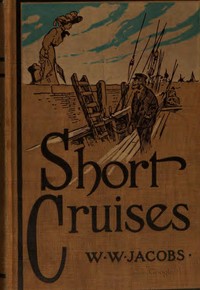
Short Cruises
Written by W. W. (William Wymark) Jacobs
Chaptra reads alongside you — AI insights, chapter breakdowns and reader discussions for every book. Join free
About this book
Reading guide
Themes, characters and key ideas in Short Cruises, written by Chaptra AI.
- about 8 hours
- intermediate
- humorous
- lighthearted
- witty
W. W. Jacobs' "Short Cruises" is a delightful collection of early 20th-century humorous short stories, primarily set in the mundane yet comically fraught world of everyday social interactions and domestic life. The narratives often revolve around ordinary, flawed characters who find themselves entangled in farcical situations, typically stemming from misunderstandings, marital discord, and elaborate but ultimately doomed schemes. Through witty dialogue and clever plotting, Jacobs masterfully exposes the absurdities of human nature and the humorous pitfalls of attempting to navigate social expectations. The book's charm lies in its lighthearted tone and keen observation of the human condition, making it a quintessential example of British comedic writing from its era.
“"A clear conscience is a good thing, but a clear alibi is better."”
Key themes
- Deception and Its Consequences
- A central theme is the intricate web of lies characters weave to escape minor social or domestic discomforts, and the inevitable, often farcical, unraveling of these deceptions. Jacobs masterfully illustrates how one small untruth can necessitate increasingly elaborate falsehoods, leading to greater comedic chaos.
- Marital Discord and Domestic Harmony
- Jacobs frequently explores the often-strained dynamics within marriage, particularly the power imbalances and communication breakdowns between husbands and wives. The pursuit of 'domestic harmony' often drives the characters' actions, even if those actions are misguided and lead to further conflict.
- The Absurdity of Everyday Life
- Many of Jacobs' stories find humor in the mundane, elevating everyday situations and minor inconveniences into farcical spectacles. This theme highlights the inherent humor in human nature, our predictable reactions, and the often-unforeseen consequences of ordinary choices.
Worth discussing
How do the characters' attempts to deceive others often lead to greater comedic chaos?
Chapter-by-chapter breakdowns, character arcs and the full thematic analysis come with a free account.
Discussions
No one has started one yet
Questions this book opens up
No discussions yet
Be the first to start a discussion about this book!
Sign up to start the discussionReviews
No reviews yet
Be the first to review this book!