
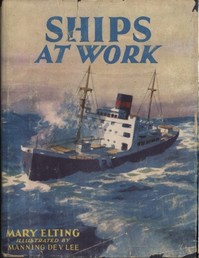
Ships at Work
Written by Mary Elting
Chaptra reads alongside you — AI insights, chapter breakdowns and reader discussions for every book. Join free
About this book
Reading guide
Themes, characters and key ideas in Ships at Work, written by Chaptra AI.
- about 3 hours
- beginner
- informative
- adventurous
- educational
Ships at Work by Mary Elting is an illustrated children's book from the mid-20th century that offers an engaging and informative exploration of maritime life and various types of vessels. Through accessible narratives and vivid illustrations, the book introduces young readers to the diverse roles of sailors, exemplified by Able Bodied Seaman Jim, as they navigate, operate, and maintain ships. It delves into seafaring terminology, the history of ships, and the intricacies of daily routines at sea, covering everything from ancient vessels to modern freighters and tugs. The book successfully conveys both the excitement and the challenges inherent in maritime work, fostering an understanding of this vital industry.
“Every ship has a story, and every sailor a job to do, making the vast oceans smaller.”
Key themes
- Work and Responsibility
- The book meticulously details the various jobs on a ship, from the captain to the deckhand, emphasizing the specific duties and the high level of responsibility each role entails. It showcases how the smooth operation of a vessel relies on the diligent and competent execution of these tasks, highlighting the interconnectedness and professionalism required in maritime labor.
- Human Ingenuity and Technology
- "Ships at Work" explores the evolution of maritime technology, from ancient vessels to modern, complex ships, celebrating human innovation in designing, building, and operating these vessels. It subtly teaches how humans have adapted and overcome the challenges of the sea through engineering, advanced navigation techniques, and specialized equipment, showcasing a continuous drive for improvement.
- Exploration and Connection
- While not a story of literal geographical exploration, the book implicitly conveys the idea of ships as vehicles for discovery and connection, linking distant lands and cultures through trade and travel. It opens up the "world of maritime work" to young readers, allowing them to explore a profession and environment they might not otherwise encounter, thus broadening their understanding of the world.
Worth discussing
What are some of the different types of ships mentioned in the book, and what unique jobs do they perform?
Chapter-by-chapter breakdowns, character arcs and the full thematic analysis come with a free account.
Discussions
No one has started one yet
Questions this book opens up
No discussions yet
Be the first to start a discussion about this book!
Sign up to start the discussionReviews
No reviews yet
Be the first to review this book!