
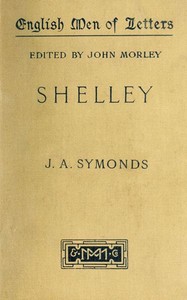
Shelley
Written by John Addington Symonds
Chaptra reads alongside you — AI insights, chapter breakdowns and reader discussions for every book. Join free
About this book
Reading guide
Themes, characters and key ideas in Shelley, written by Chaptra AI.
- about 12 hours
- advanced
- reflective
- biographical
- melancholy
John Addington Symonds' "Shelley" is a late 19th-century biographical exploration of the life of Percy Bysshe Shelley, delving into his background, relationships, and literary development. The biography opens with a poignant reflection on the tragic fates of great poets, setting the stage for Shelley's own early demise at age thirty. Symonds meticulously details Shelley's upbringing within a prominent family, highlighting the inherent conflicts between familial expectations and his fiercely individualistic, rebellious spirit. Through an insightful narrative, the book traces Shelley's imaginative childhood, struggles with authority, and the personal and philosophical dilemmas that profoundly shaped his iconic poetry and life choices, ultimately portraying a complex character at odds with societal norms.
“The flame of genius, too often, burns with a fierce intensity that consumes the vessel before its time, a truth tragically exemplified in the brief, brilliant life of Shelley.”
Key themes
- Conflict Between Individual and Society
- This is the seminal theme, exploring Shelley's lifelong struggle against the conventional norms, expectations, and authorities of his time. Symonds highlights how Shelley's passionate ideals and individualistic nature consistently placed him at odds with his family, institutions, and broader society, driving much of his personal and artistic trajectory.
- Artistic Genius and Vision
- The biography meticulously examines the nature of Shelley's poetic genius, tracing its origins from his imaginative childhood to its full flowering in his mature works. Symonds explores the unique influences, philosophical underpinnings, and personal experiences that shaped Shelley's distinctive artistic vision and his profound contribution to Romantic poetry.
- The Tragic Fate of the Poet
- Explicitly introduced in the biography's opening, this theme contemplates the often-melancholy destiny of highly sensitive and visionary artists, particularly their susceptibility to early death or suffering. Shelley's early demise at thirty is presented as a prime example, framing his life narrative with a sense of poignant inevitability.
Worth discussing
How does Symonds' late 19th-century perspective influence his portrayal of Shelley, and how might a modern biography differ?
Chapter-by-chapter breakdowns, character arcs and the full thematic analysis come with a free account.
Discussions
No one has started one yet
Questions this book opens up
No discussions yet
Be the first to start a discussion about this book!
Sign up to start the discussionReviews
No reviews yet
Be the first to review this book!