
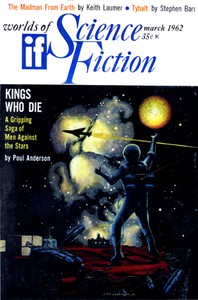
Seven-Day Terror
Written by R. A. Lafferty
Chaptra reads alongside you — AI insights, chapter breakdowns and reader discussions for every book. Join free
About this book
Reading guide
Themes, characters and key ideas in Seven-Day Terror, written by Chaptra AI.
- about 3 hours
- intermediate
- whimsical
- humorous
- mysterious
R. A. Lafferty's "Seven-Day Terror" is a whimsical collection of short stories centered around a week of escalating chaos in a neighborhood. The narrative follows young Clarence Willoughby, a precocious inventor whose homemade "disappearer" device causes everyday objects, and eventually people, to vanish. What begins as a childish experiment quickly spirals into community-wide pandemonium as the residents grapple with the unexplained losses. Ultimately, Clarence's clever sister, Clarissa, uses her ingenuity to reverse the effects, restoring order and highlighting themes of creation, responsibility, and the imaginative power of childhood. The story blends fantasy and humor to explore the whimsical yet potent consequences of unchecked creative power.
Key themes
- Responsibility of Creation
- The story centrally explores the implications of creating something powerful, even with innocent intentions, and the responsibility that comes with such power. Clarence's invention, the 'disappearer,' causes widespread chaos, highlighting the humorous yet potent downside of unchecked creative force.
- Childhood Imagination and Power
- The narrative investigates the boundless and sometimes disruptive power of childhood imagination. Through young characters like Clarence and Clarissa, the story explores how children perceive, interact with, and can inadvertently reshape their world, often with a blend of innocence and precocity.
- Chaos vs. Order
- The story dramatically illustrates the disruption of established order by an unforeseen, chaotic force, and the eventual restoration of balance. The neighborhood's descent into terror and its subsequent return to normalcy highlight the fragility of order and the human desire to re-establish it.
Worth discussing
How does Lafferty use humor to address potentially serious themes like loss and chaos?
Chapter-by-chapter breakdowns, character arcs and the full thematic analysis come with a free account.
Discussions
No one has started one yet
Questions this book opens up
No discussions yet
Be the first to start a discussion about this book!
Sign up to start the discussionReviews
No reviews yet
Be the first to review this book!