
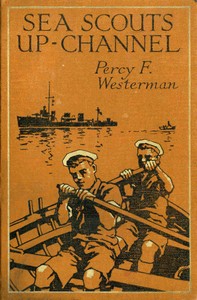
Sea Scouts up-Channel
Written by Percy F. (Percy Francis) Westerman
Chaptra reads alongside you — AI insights, chapter breakdowns and reader discussions for every book. Join free
About this book
Reading guide
Themes, characters and key ideas in Sea Scouts up-Channel, written by Chaptra AI.
- about 8 hours
- intermediate
- adventurous
- uplifting
- wholesome
Percy F. Westerman's "Sea Scouts up-Channel" is an early 20th-century adventure novel chronicling the maritime escapades of a group of Sea Scouts from Southend-on-Sea. Their summer journey to the Isle of Wight quickly turns eventful when they assume command of a guardship and are thrust into a rescue operation. The narrative celebrates the core tenets of scouting, emphasizing teamwork, bravery, and resourcefulness in the face of unexpected challenges at sea. Led by Scoutmaster Mr. Graham and Patrol Leader Desmond, the boys navigate both the responsibilities of their vessel and the perils of the open water, fostering camaraderie and character development through their shared experiences.
“"Every man aboard, be he Scout or seasoned mariner, has a duty, and a duty well done is its own reward."”
Key themes
- Teamwork and Camaraderie
- The novel heavily emphasizes the power of collective effort and the bonds forged through shared experiences and challenges. The success of the Sea Scouts in all their endeavors, particularly the rescue operations, is directly attributed to their ability to work together seamlessly, supporting one another under pressure.
- Bravery and Resourcefulness
- The core of any adventure story, this theme highlights the courage displayed by the young Scouts in the face of danger and their ability to think creatively and practically to overcome obstacles. It demonstrates that bravery is not the absence of fear, but acting despite it, often through quick thinking and applying learned skills.
- Leadership and Responsibility
- Explored through the roles of Mr. Graham and Desmond, this theme illustrates the burden and rewards of leadership. It shows how effective leadership involves guidance, delegation, and making tough decisions, while also emphasizing the personal responsibility each individual Scout holds for their actions and contributions to the group.
Worth discussing
How does the novel portray the ideals of the Scouting movement, and are these ideals still relevant today?
Chapter-by-chapter breakdowns, character arcs and the full thematic analysis come with a free account.
Discussions
No one has started one yet
Questions this book opens up
No discussions yet
Be the first to start a discussion about this book!
Sign up to start the discussionReviews
No reviews yet
Be the first to review this book!