
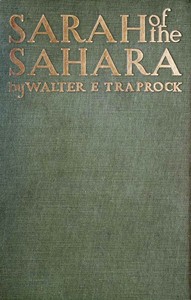
Sarah of the Sahara: A Romance of Nomads Land
Written by George S. (George Shepard) Chappell
Chaptra reads alongside you — AI insights, chapter breakdowns and reader discussions for every book. Join free
About this book
Reading guide
Themes, characters and key ideas in Sarah of the Sahara: A Romance of Nomads Land, written by Chaptra AI.
- about 8 hours
- intermediate
- humorous
- satirical
- lighthearted
George S. Chappell's "Sarah of the Sahara: A Romance of Nomads Land" is a brilliant satirical send-up of the popular exotic adventure and romance novels prevalent in the early 20th century. It follows the ridiculously dramatic escapades of the titular Sarah, a quintessential damsel-in-distress, as she navigates the perils and passions of a highly romanticized Sahara. The novel deliberately employs and exaggerates every cliché of the genre, from the dashing yet often inept hero to the menacing, turbaned villain and the improbable twists of fate. Chappell's wit shines through in his masterful subversion of expectations, lampooning the earnestness and often Orientalist tropes of its predecessors with a lighthearted, yet incisive, humor. Ultimately, it serves as a clever commentary on literary conventions and the public's appetite for sensational narratives.
“"The desert, she cried, was a cruel mistress, but one whose sands held the promise of a truly inconvenient love."”
Key themes
- Satire of Adventure and Romance Tropes
- The central theme of the novel is its comprehensive parody of the adventure and romance genres popular in the early 20th century. Chappell meticulously exaggerates and subverts common narrative devices, character archetypes (the damsel, the hero, the exotic villain), and plot conventions (kidnappings, daring escapes, declarations of love in perilous settings). This satire highlights the formulaic and often absurd nature of these stories.
- Exoticism and Cultural Stereotypes
- Chappell's novel critiques the exoticization of non-Western cultures, particularly the Middle East, which was common in adventure fiction of his time. By exaggerating the 'mysterious East' and its inhabitants, he exposes the superficiality and often problematic nature of these representations. The characters from the Sahara are presented as caricatures, highlighting the stereotypical lens through which they were often viewed by Western audiences.
- Gender Roles and Expectations
- The novel subtly critiques traditional gender roles by presenting exaggerated versions of the 'damsel-in-distress' and the 'chivalrous hero.' Sarah's helpless femininity and Lord Cuthbert's performative masculinity are central to the humor, exposing the often restrictive and unrealistic expectations placed upon men and women in romantic narratives of the era. The satire highlights the absurdity of these roles when taken to their logical extreme.
Worth discussing
How does Chappell use exaggeration to achieve satirical effect in 'Sarah of the Sahara'?
Chapter-by-chapter breakdowns, character arcs and the full thematic analysis come with a free account.
Discussions
No one has started one yet
Questions this book opens up
No discussions yet
Be the first to start a discussion about this book!
Sign up to start the discussionReviews
No reviews yet
Be the first to review this book!