
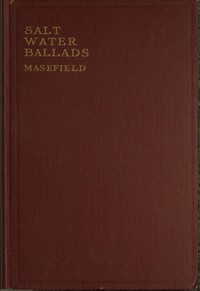
Salt-Water Ballads
Written by John Masefield
Chaptra reads alongside you — AI insights, chapter breakdowns and reader discussions for every book. Join free
About this book
Reading guide
Themes, characters and key ideas in Salt-Water Ballads, written by Chaptra AI.
- about 8 hours
- intermediate
- adventurous
- melancholy
- nostalgic
John Masefield's "Salt-Water Ballads," published in 1913, is a resonant collection of poems that vividly chronicles the harsh realities and enduring allure of life at sea. Through rhythmic verse and rich maritime imagery, Masefield gives voice to the experiences of sailors, capturing their adventures, struggles, and profound connection to the ocean. The poems explore universal themes of freedom, loss, camaraderie, and the relentless call of the waves, painting an intimate portrait of those who navigate its perilous beauty. It stands as a seminal work in maritime literature, reflecting a nostalgic gaze upon a disappearing era of sail.
“I must down to the seas again, to the lonely sea and the sky, And all I ask is a tall ship and a star to steer her by;”
Key themes
- The Call of the Sea and Adventure
- This theme explores the irresistible allure of the ocean, seen as a source of adventure, freedom, and escape from the mundane. It delves into the deep-seated human desire for exploration, the unknown, and a life lived on the edge.
- Hardship, Peril, and Mortality
- Masefield unflinchingly portrays the brutal realities of life at sea, including the constant threat of storms, shipwrecks, disease, and the ever-present specter of death. This theme highlights the resilience required to face such dangers and the profound awareness of mortality that shapes the sailor's perspective.
- Camaraderie and Solitude
- This theme explores the dual nature of a sailor's existence: the intense bonds formed through shared hardship and the profound loneliness experienced during long voyages, separated from land and loved ones. It examines how community and isolation shape the individual.
Worth discussing
How does Masefield's personal experience as a sailor inform the authenticity and emotional depth of the poems?
Chapter-by-chapter breakdowns, character arcs and the full thematic analysis come with a free account.
Discussions
No one has started one yet
Questions this book opens up
No discussions yet
Be the first to start a discussion about this book!
Sign up to start the discussionReviews
No reviews yet
Be the first to review this book!