
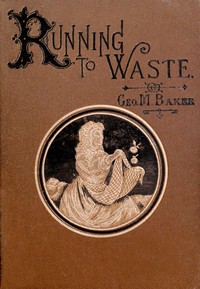
Running to Waste: The Story of a Tomboy
Written by George M. (George Melville) Baker
Chaptra reads alongside you — AI insights, chapter breakdowns and reader discussions for every book. Join free
About this book
Reading guide
Themes, characters and key ideas in Running to Waste: The Story of a Tomboy, written by Chaptra AI.
- about 1 hours
- beginner
- humorous
- light-hearted
- whimsical
Running to Waste: The Story of a Tomboy" is a short, comedic play by George M. Baker, centering on Mary, a spirited young woman who defies the rigid societal expectations for femininity in the late 19th century. Her guardian, Mr. Augustus Fitzherbert, laments her preference for outdoor pursuits and unconventional behavior, considering her 'running to waste' by not conforming to the image of a proper lady. Through a series of humorous encounters and witty dialogue, Mary maintains her independent spirit, eventually challenging the narrow views of her guardian and suitor, Mr. Charles Chatterton, about what constitutes a valuable young woman.
“Oh, Mary! You are positively running to waste with all this climbing and galloping! A young lady of your station should be at her embroidery!”
Key themes
- Gender Roles and Expectations
- This is the central theme, exploring the rigid societal expectations placed upon women in the late 19th century regarding behavior, appearance, and pursuits. The play contrasts these norms with Mary's desire for independence and preference for traditionally masculine activities, highlighting the humorous conflict arising from these differing views.
- Individuality vs. Conformity
- The play explores the conflict between Mary's strong, unique personality and the immense pressure from her guardian and society to conform to accepted feminine ideals. It playfully champions the value of individual expression and authenticity over blind adherence to social norms.
- Appearance vs. Reality
- The play subtly questions whether what appears 'proper' or 'ladylike' on the surface is truly valuable, and if Mary's unconventional behavior, though seemingly 'wasteful' or improper, is actually more authentic, beneficial, and indicative of a strong character. It challenges superficial judgments.
Worth discussing
How does the play use humor to comment on societal expectations for women in the late 19th century?
Chapter-by-chapter breakdowns, character arcs and the full thematic analysis come with a free account.
Discussions
No one has started one yet
Questions this book opens up
No discussions yet
Be the first to start a discussion about this book!
Sign up to start the discussionReviews
No reviews yet
Be the first to review this book!