
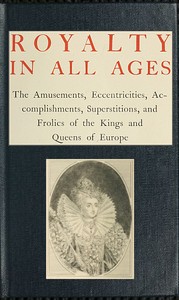
Royalty in All Ages: The Amusements, Eccentricities, Accomplishments, Superstitions and Frolics of the Kings and Queens of Europe
Written by T. F. (Thomas Firminger) Thiselton-Dyer
Chaptra reads alongside you — AI insights, chapter breakdowns and reader discussions for every book. Join free
About this book
Reading guide
Themes, characters and key ideas in Royalty in All Ages: The Amusements, Eccentricities, Accomplishments, Superstitions and Frolics of the Kings and Queens of Europe, written by Chaptra AI.
- about 10 hours
- intermediate
- historical
- informative
- humorous
T. F. Thiselton-Dyer's "Royalty in All Ages" is an early 20th-century historical compilation that delves into the less formal, more human aspects of European monarchs. The book meticulously chronicles the diverse amusements, peculiar eccentricities, notable accomplishments, prevalent superstitions, and lighthearted frolics that characterized royal life throughout history. Through a rich tapestry of anecdotes, from the lavish courtly games to the private pastimes of sovereigns, Dyer illuminates how these personal facets influenced governance and presented a surprising side of power. It serves as a unique lens through which to examine the complexities of leadership, personal character, and the enduring human element within the institution of monarchy.
“"It is in the unguarded moments of leisure that the true character of a sovereign often shines brightest, or perhaps, most surprisingly reveals itself."”
Key themes
- The Humanization of Power
- This central theme explores how monarchs, despite their elevated status and divine right, were ultimately human beings with personal interests, flaws, and vulnerabilities. The book delves into their private lives, showcasing their eccentricities, hobbies, and emotional reactions, thereby stripping away some of the mystique surrounding royalty and revealing their relatable humanity.
- Leisure and Governance
- This theme examines the intricate relationship between a monarch's personal leisure activities and their public role in governance. The book illustrates how royal amusements could be a means of diplomacy, a reflection of strategic thinking, a source of stress relief, or even a cause of political incident. It highlights that the 'playful sides' of royalty were often intertwined with the serious business of ruling.
- The Enduring Fascination with Royalty
- The book itself is a testament to the persistent public interest in the lives of monarchs, particularly their less formal, more intimate aspects. This theme explores why people throughout history, and especially in the early 20th century when the book was written, have been captivated by the eccentricities, accomplishments, and everyday lives of those who rule. It speaks to a universal human curiosity about power, privilege, and the personalities behind historical events.
Worth discussing
How does focusing on the 'amusements and eccentricities' of royalty change our perception of historical figures compared to traditional political histories?
Chapter-by-chapter breakdowns, character arcs and the full thematic analysis come with a free account.
Discussions
No one has started one yet
Questions this book opens up
No discussions yet
Be the first to start a discussion about this book!
Sign up to start the discussionReviews
No reviews yet
Be the first to review this book!