
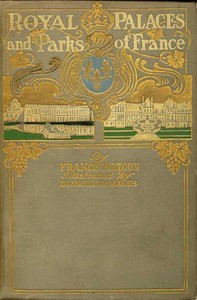
Royal Palaces and Parks of France
Written by M. F. (Milburg Francisco) Mansfield
Chaptra reads alongside you — AI insights, chapter breakdowns and reader discussions for every book. Join free
About this book
Reading guide
Themes, characters and key ideas in Royal Palaces and Parks of France, written by Chaptra AI.
- about 8 hours
- intermediate
- Historical
- Evocative
- Nostalgic
Milburg Francisco Mansfield's "Royal Palaces and Parks of France," published in the early 20th century, offers a distinct historical exploration of France's royal residences and their surrounding landscapes. Moving beyond conventional political histories, the book focuses on the "romantic incidents" and the unique interplay of sentiment and grandeur that define these sites. Mansfield aims to immerse readers in the vibrant, often exuberant life of courtly society, highlighting its passion for outdoor pursuits and the unfolding of history in these magnificent country estates. The work invites an appreciation for the cultural significance embedded in both the architectural marvels and their treed environments, promising an insightful journey through French heritage.
“"The true history of France unfolds not just in grand urban settings, but within the magnificent country estates and their treed landscapes, imbued with sentiment and grandeur."”
Key themes
- The Interplay of Sentiment and Grandeur
- This is the central thematic pillar of the book, explicitly stated in the summary. Mansfield argues that the unique character of French royal residences is defined by a delicate balance between the grand scale of their architecture and landscapes, and the deeply human, 'romantic incidents' and emotional lives of their inhabitants. It's about how magnificent settings are imbued with human feeling and historical memory, creating a rich tapestry that transcends mere physical presence.
- Critique of Conventional Historical Narratives
- Mansfield fundamentally challenges the prevailing historical methodology of his time, which he perceives as overly focused on political histories and dry facts. He advocates for a more vibrant, nuanced, and culturally sensitive approach that integrates social life, sentiment, and the physical environment. This theme highlights the author's innovative contribution to historical writing.
- The Significance of Landscape and Architecture
- The book elevates palaces and parks from mere backdrops to central elements of historical understanding. It argues that these structures and their surrounding natural environments are not just settings but active participants in shaping events, reflecting power, and embodying the cultural values and aesthetic sensibilities of their eras. They are treated as living archives of the past.
Worth discussing
How does Mansfield's approach to history, emphasizing 'sentiment and grandeur,' differ from conventional historical accounts, and what are its strengths and weaknesses?
Chapter-by-chapter breakdowns, character arcs and the full thematic analysis come with a free account.
Discussions
No one has started one yet
Questions this book opens up
No discussions yet
Be the first to start a discussion about this book!
Sign up to start the discussionReviews
No reviews yet
Be the first to review this book!