
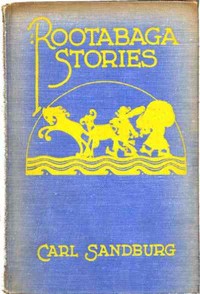
Rootabaga Stories
Written by Carl Sandburg
Chaptra reads alongside you — AI insights, chapter breakdowns and reader discussions for every book. Join free
About this book
Reading guide
Themes, characters and key ideas in Rootabaga Stories, written by Chaptra AI.
- about 8 hours
- intermediate
- whimsical
- imaginative
- dreamlike
Carl Sandburg's "Rootabaga Stories" is a whimsical collection of early 20th-century children's tales that transports readers to a fantastical American Midwest, reimagined with surreal landscapes and eccentric inhabitants. The narrative begins with Gimme the Ax, who, seeking an escape from life's monotony, renames his children Please Gimme and Ax Me No Questions and embarks on a journey to the mysterious Rootabaga country via a whimsical train. Through episodic adventures, the book explores themes of imagination, identity, and the allure of the unknown, introducing memorable characters like the Potato Face Blind Man and visiting places like the Village of Liver-and-Onions. Sandburg's distinctive poetic prose creates a dreamlike atmosphere, celebrating the power of language and the boundless nature of childhood wonder in a unique and enduring literary experience.
“The world is a looking-glass, and gives back to every man the reflection of his own face.”
Key themes
- Imagination and Wonder
- The core theme of the book, where imagination is presented not just as a childish escape but as a powerful force that shapes reality, identity, and meaning. The Rootabaga country itself is a construct of boundless imagination, demonstrating how creativity can transform the mundane into the magical.
- Identity and Naming
- Explored through Gimme the Ax's initial act of allowing his children to choose their own names, this theme suggests that identity is not fixed but can be self-created and chosen. Names in the Rootabaga world are often descriptive and whimsical, reflecting a fluid and imaginative approach to selfhood and place.
- The Power of Language
- Sandburg, a poet, showcases his mastery of language throughout the collection. The book itself is a testament to how words can create worlds, evoke emotions, and shape perceptions. The whimsical names, rhythmic prose, and inventive descriptions demonstrate language's ability to be playful, profound, and transformative.
Worth discussing
How does Sandburg's use of language contribute to the whimsical and dreamlike atmosphere of the Rootabaga country?
Chapter-by-chapter breakdowns, character arcs and the full thematic analysis come with a free account.
Discussions
No one has started one yet
Questions this book opens up
No discussions yet
Be the first to start a discussion about this book!
Sign up to start the discussionReviews
No reviews yet
Be the first to review this book!