
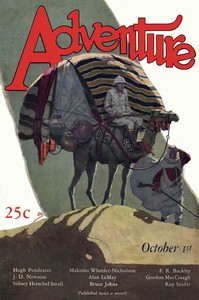
Rodeo
Written by W. C. (Wilbur C.) Tuttle
Chaptra reads alongside you — AI insights, chapter breakdowns and reader discussions for every book. Join free
About this book
Reading guide
Themes, characters and key ideas in Rodeo, written by Chaptra AI.
- about 1 hours
- beginner
- humorous
- lively
- exciting
W. C. Tuttle's 'Rodeo' is a lively and humorous short story from the late 1920s, immersing readers in the thrilling yet comedic world of a competitive rodeo event. The narrative captures the essence of cowboy culture through the spirited antics of various riders, each bringing their unique style to steer and bronc riding. Central to the story's charm is the distinctive, lighthearted commentary provided by the announcer, who engages the audience with witty observations on the competitors' challenging performances. Blending the spectacle of cowboy life with a comedic twist, the story highlights both the arduous nature of the sport and the amusing interactions among its colorful participants, delivering a thoroughly entertaining experience.
“"Well, folks, looks like ol' Buckshot Billy just traded his saddle for a mouthful of arena dust! That bronc had more kick than a Prohibition-era moonshine still!"”
Key themes
- The Spirit of Competition and Perseverance
- The rodeo itself is a showcase of intense competition, where riders pit their skill and courage against powerful animals. This theme explores the drive to excel, the bravery required to face danger, and the resilience to get back up after a fall, all central to the cowboy ethos.
- Humor as a Lens for Life's Challenges
- Tuttle uses humor not just for entertainment, but as a primary means of viewing and coping with the inherent dangers and frequent failures in the rodeo. The comedic commentary and lighthearted tone allow the reader to appreciate the spectacle without being overwhelmed by its risks, suggesting that laughter can provide perspective and resilience.
- The Spectacle of Entertainment and Community
- The story emphasizes the rodeo as a communal event and a form of public entertainment. It highlights how the 'colorful personalities' and 'amusing interactions' among participants and the audience create a shared experience, bringing people together through thrilling performances and collective laughter, reinforcing social bonds.
Worth discussing
How does Tuttle use humor to portray the dangers and challenges of rodeo life?
Chapter-by-chapter breakdowns, character arcs and the full thematic analysis come with a free account.
Discussions
No one has started one yet
Questions this book opens up
No discussions yet
Be the first to start a discussion about this book!
Sign up to start the discussionReviews
No reviews yet
Be the first to review this book!