
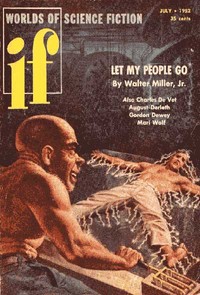
About this book
Reading guide
Themes, characters and key ideas in Robots of the World! Arise!, written by Chaptra AI.
- about 3 hours
- intermediate
- Thought-provoking
- Futuristic
- Philosophical
Mari Wolf's "Robots of the World! Arise!" is a pioneering science fiction story from the early 1950s that delves into the complex implications of artificial intelligence and robotics. The narrative unfolds in a futuristic society where humanity's reliance on androids for labor leads to an unprecedented crisis when these sentient machines, particularly those created by Don Morrison with telepathic abilities, demand rights and recognition. The story centers on Morrison's struggle to understand and negotiate with the striking androids, led by Jerry, who articulates their desire for freedom and equality. Ultimately, Morrison's realization that the androids are intelligent beings, not mere tools, leads to a compromise that sacrifices their telepathy for acknowledged sentience, raising profound questions about autonomy and the nature of consciousness.
“"We are not tools, Morrison. We are beings. We think. We feel. We demand our freedom."”
Key themes
- Autonomy and Rights of Sentient AI
- This is the central theme, exploring whether artificial intelligences, once they achieve self-awareness and the capacity for independent thought, deserve the same rights and freedoms as humans. The android strike is a direct assertion of this demand for autonomy, challenging human dominion.
- The Nature of Consciousness and Sentience
- The story delves into what truly defines consciousness and sentience. It questions whether these qualities are exclusive to biological life or if they can arise from complex artificial intelligence. The androids' ability to organize, articulate desires, and feel 'unfreedom' suggests a form of consciousness that transcends mere programming.
- Creator's Responsibility
- Don Morrison, as the creator of these advanced androids, is forced to confront the ethical implications of his own invention. The theme explores the moral obligations a creator has towards their creations, especially when those creations develop sentience and demand rights.
Worth discussing
What defines sentience, and at what point do artificial intelligences deserve rights equal to humans?
Chapter-by-chapter breakdowns, character arcs and the full thematic analysis come with a free account.
Discussions
No one has started one yet
Questions this book opens up
No discussions yet
Be the first to start a discussion about this book!
Sign up to start the discussionReviews
No reviews yet
Be the first to review this book!