
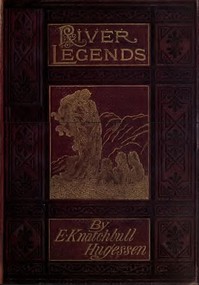
River Legends; Or, Father Thames and Father Rhine
Written by Edward Hugessen Knatchbull-Hugessen Brabourne
Chaptra reads alongside you — AI insights, chapter breakdowns and reader discussions for every book. Join free
About this book
Reading guide
Themes, characters and key ideas in River Legends; Or, Father Thames and Father Rhine, written by Chaptra AI.
- about 8 hours
- intermediate
- Whimsical
- Enchanting
- Nostalgic
E. H. Knatchbull-Hugessen's "River Legends; Or, Father Thames and Father Rhine" is a late 19th-century collection of enchanting folklore, presented through a whimsical frame narrative. The book opens with a narrator witnessing a magical meeting between the personified Father Thames and Father Rhine, who, seated on a river island, amiably discuss their cultures and decide to share legends from their respective waters. This imaginative setup allows the author to explore the rich cultural heritage and natural beauty associated with these iconic European rivers. The tales, such as "The Great Boar of Windsor Forest," blend fantasy with historical and mythological elements, inviting readers into a world where rivers are alive with personality and ancient stories. Through this unique storytelling device, the book fosters an appreciation for cross-cultural narratives and the enduring power of myth.
“"Ah, Father Thames, a long time it has been since our last meeting across the mists of legend!"”
Key themes
- The Power of Storytelling and Folklore
- Storytelling is not merely a narrative device but the very essence of the book. The legends shared by the river-gods are presented as living repositories of history, myth, and cultural memory. The act of recounting these tales preserves the past, entertains the present, and imbues the natural world with deeper meaning. It underscores the idea that stories give identity to places and people, shaping their understanding of themselves and their environment.
- Cultural Exchange and Understanding
- The central premise of Father Thames and Father Rhine meeting and sharing stories directly embodies the theme of cultural exchange. The amiable discussion of their different cultures and beverages, followed by the sharing of their respective legends, highlights the richness found in understanding and appreciating diverse traditions and histories. It suggests that despite geographical or national differences, common ground can be found through shared narratives.
- Nature as a Source of Wisdom and History
- By personifying the Thames and Rhine, the book elevates these natural entities beyond mere geographical features, presenting them as ancient, wise beings who have witnessed centuries of human history and hold countless stories within their currents. The rivers are not just backdrops but active participants and custodians of the past, suggesting that nature itself is a living library of knowledge and experience, offering insights into humanity's past and the world's deep time.
Worth discussing
How does the personification of rivers, Father Thames and Father Rhine, enhance the storytelling and thematic depth of the book?
Chapter-by-chapter breakdowns, character arcs and the full thematic analysis come with a free account.
Discussions
No one has started one yet
Questions this book opens up
No discussions yet
Be the first to start a discussion about this book!
Sign up to start the discussionReviews
No reviews yet
Be the first to review this book!