
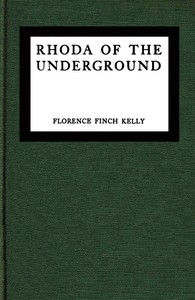
Rhoda of the Underground
Written by Florence Finch Kelly
Chaptra reads alongside you — AI insights, chapter breakdowns and reader discussions for every book. Join free
About this book
Reading guide
Themes, characters and key ideas in Rhoda of the Underground, written by Chaptra AI.
- about 8 hours
- intermediate
- historical
- tense
- moral
Florence Finch Kelly's "Rhoda of the Underground" is an early 20th-century historical novel set in antebellum America, chronicling the moral awakening of Rhoda Ware. Initially leading an idyllic life, Rhoda's conscience is stirred by her abolitionist father's views and the harsh realities of slavery, leading her to question societal norms. Her burgeoning romance with the slaveholder Jefferson Delavan creates a profound personal conflict, forcing her to choose between love and her burgeoning moral convictions. The narrative vividly portrays the tensions surrounding slavery and Rhoda's pivotal decision to become involved with the Underground Railroad, marking her transformation from an innocent young woman to a courageous advocate for justice.
“"Freedom is not a gift; it is a right, and one worth every sacrifice."”
Key themes
- Moral Conviction vs. Societal Norms
- This is the central conflict of the novel, explored through Rhoda's personal struggle to reconcile her deeply held beliefs about freedom and justice with the prevailing pro-slavery sentiments and expectations of her antebellum society. It examines the courage required to defy the status quo.
- The Evils of Slavery and the Quest for Freedom
- The novel directly confronts the brutality and dehumanization inherent in the institution of slavery, not just as a political issue but as a deeply personal and moral one. It highlights the desperate yearning for freedom by enslaved individuals and the heroic efforts of those who aided them.
- Love vs. Duty
- This theme explores the agonizing choice Rhoda faces between her affection for Jefferson Delavan and her unwavering commitment to her moral duty to oppose slavery. It delves into the sacrifices individuals must make when personal desires clash with ethical imperatives.
Worth discussing
Discuss the internal and external conflicts Rhoda faces. How do these reflect the broader societal conflicts of antebellum America?
Chapter-by-chapter breakdowns, character arcs and the full thematic analysis come with a free account.
Discussions
No one has started one yet
Questions this book opens up
No discussions yet
Be the first to start a discussion about this book!
Sign up to start the discussionReviews
No reviews yet
Be the first to review this book!