
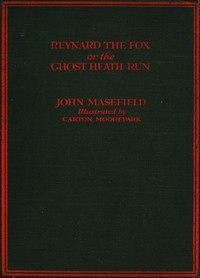
Reynard the Fox
Written by John Masefield
Chaptra reads alongside you — AI insights, chapter breakdowns and reader discussions for every book. Join free
About this book
Reading guide
Themes, characters and key ideas in Reynard the Fox, written by Chaptra AI.
- about 8 hours
- intermediate
- vivid
- suspenseful
- pastoral
John Masefield's "Reynard the Fox" is a vivid narrative poem that plunges readers into the heart of an English fox hunt in the early 20th century. The poem meticulously chronicles a single day, from the bustling meet at "The Cock and Pye" inn, where diverse social strata gather, to the thrilling and relentless chase across the countryside. At its core, it is the story of Reynard, a cunning and resourceful fox, whose struggle for survival against the formidable pack of hounds and determined huntsmen forms the central conflict. Masefield masterfully blends detailed descriptions of rural life, the natural world, and the exhilarating pursuit with poignant insights into themes of instinct, sport, and the intricate relationship between humanity and nature.
“The horses were stamping, the hounds were crying,”
Key themes
- Survival and Cunning
- This is the central driving force of the narrative, embodied entirely by Reynard. The poem explores the raw, primal instinct for self-preservation and the intelligence required to outwit superior forces. Reynard's cunning is presented as a form of natural genius, allowing him to evade capture through clever tricks and an intimate knowledge of his environment.
- Man vs. Nature
- The entire poem is an extended metaphor for the tension between human civilization and the wild. The organized, ritualistic hunt represents humanity's attempt to exert control over nature, to tame or conquer its wildness. Reynard, in turn, symbolizes the untamable, resilient spirit of the natural world, constantly resisting human encroachment and dominance.
- English Country Life and Social Hierarchy
- Masefield meticulously details the social tapestry of early 20th-century rural England, using the fox hunt as a lens. The gathering at "The Cock and Pye" showcases a cross-section of society, from the landed gentry to the working-class farmers and grooms, all participating in a shared tradition that, for a day, blurs some social lines while reinforcing others.
Worth discussing
How does Masefield balance the thrill of the hunt with the plight of Reynard? Does the poem ultimately condemn or celebrate fox hunting?
Chapter-by-chapter breakdowns, character arcs and the full thematic analysis come with a free account.
Discussions
No one has started one yet
Questions this book opens up
No discussions yet
Be the first to start a discussion about this book!
Sign up to start the discussionReviews
No reviews yet
Be the first to review this book!