
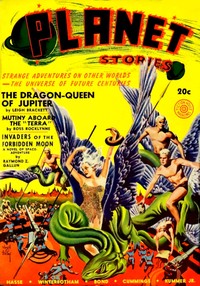
Proktols of Neptune
Written by Henry Hasse
Chaptra reads alongside you — AI insights, chapter breakdowns and reader discussions for every book. Join free
About this book
Reading guide
Themes, characters and key ideas in Proktols of Neptune, written by Chaptra AI.
- about 8 hours
- intermediate
- dark
- tense
- horrific
Henry Hasse's "Proktols of Neptune" plunges Commander Janus and his crew into a terrifying encounter on Neptune's moon, where they uncover the horrific rituals of the alien Proktols. After discovering a derelict ship, the Earthmen are captured and slated for a gruesome sacrifice to a sentient Brain that controls the Proktol race. The narrative escalates into a desperate fight for survival as Janus and his remaining crew must evade their captors and devise an escape back to Earth. The novel explores the profound fear of the unknown in the vastness of space and the perilous consequences of unbridled curiosity. Despite their harrowing escape, the crew vows to confront the lingering alien threat, setting the stage for a potential future conflict.
“"The emptiness of space holds horrors far beyond our darkest nightmares, and we, in our hubris, have sought them out."”
Key themes
- Fear of the Unknown
- This theme is central to the novel, exploring humanity's primal dread of what lies beyond the familiar. The vast emptiness of space is presented not as a realm of wonder, but of profound, terrifying alienness. The Proktols and the Sentient Brain embody this fear, representing life forms whose existence and motives are utterly incomprehensible and horrifying to human understanding.
- Survival and Resilience
- The core narrative is a desperate struggle for survival against overwhelming odds. It highlights the human will to live, even in the face of unspeakable horror and the threat of ritualistic sacrifice. The crew's ingenuity, courage, and determination to escape demonstrate humanity's resilience when pushed to its limits.
- Humanity vs. Alien Other
- This classic science fiction theme explores the fundamental differences and conflicts between human civilization and a truly alien race. The Proktols and the Sentient Brain represent an 'Other' that is not just physically different but morally and existentially alien, posing an ultimate threat to human values and existence. The narrative highlights the struggle to understand, or simply survive, against an entity utterly devoid of human empathy or reason.
Worth discussing
How does 'Proktols of Neptune' utilize the vastness of space to amplify its horror elements?
Chapter-by-chapter breakdowns, character arcs and the full thematic analysis come with a free account.
Discussions
No one has started one yet
Questions this book opens up
No discussions yet
Be the first to start a discussion about this book!
Sign up to start the discussionReviews
No reviews yet
Be the first to review this book!