
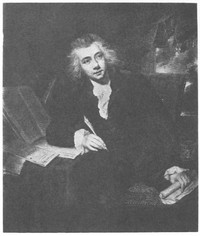
Private Papers of William Wilberforce
Written by William Wilberforce
Chaptra reads alongside you — AI insights, chapter breakdowns and reader discussions for every book. Join free
About this book
Reading guide
Themes, characters and key ideas in Private Papers of William Wilberforce, written by Chaptra AI.
- about 20 hours
- advanced
- serious
- historical
- insightful
"Private Papers of William Wilberforce" is a crucial collection of personal letters and writings, offering an intimate glimpse into the life and political endeavors of the renowned abolitionist. Compiled and edited in the late 19th century, the volume primarily chronicles Wilberforce's extensive correspondence with contemporary figures, most notably his profound friendship and political alliance with Prime Minister William Pitt. Through these exchanges, the book illuminates the complex political landscape of late 18th and early 19th century Britain, while fundamentally documenting Wilberforce's unwavering dedication to the abolition of the slave trade. It serves as a testament to his influence in the House of Commons and his pivotal role in advocating for social justice amidst significant national and international challenges.
“"So much depends on the temper of the times, and the disposition of the people, that it is difficult to foresee what may be accomplished."”
Key themes
- Abolition of Slavery
- This is the central, overarching theme of the collection. The papers meticulously document the decades-long struggle to end the slave trade, from the initial parliamentary debates and public campaigns to the eventual legislative victory. It explores the moral, economic, and political arguments for and against abolition, showcasing Wilberforce's relentless advocacy and strategic efforts.
- Political Friendship and Alliance
- The collection vividly portrays the deep and enduring friendship between William Wilberforce and Prime Minister William Pitt. It explores how personal bonds can intertwine with and influence political action, demonstrating the complexities and mutual support within high-stakes political alliances during a period of significant national challenge.
- Social Justice and Reform
- Beyond the specific issue of abolition, the papers reflect a broader commitment to social justice and moral reform. Wilberforce's efforts were part of a wider movement to improve societal conditions and uphold ethical principles, demonstrating a holistic approach to public service driven by a strong moral compass.
Worth discussing
How do Wilberforce's private sentiments, as revealed in these papers, align with or diverge from his public persona?
Chapter-by-chapter breakdowns, character arcs and the full thematic analysis come with a free account.
Discussions
No one has started one yet
Questions this book opens up
No discussions yet
Be the first to start a discussion about this book!
Sign up to start the discussionReviews
No reviews yet
Be the first to review this book!