
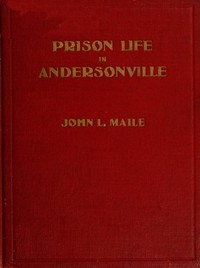
"Prison Life in Andersonville": With Special Reference to the Opening of Providence Spring
Written by John Levi Maile
Chaptra reads alongside you — AI insights, chapter breakdowns and reader discussions for every book. Join free
About this book
Reading guide
Themes, characters and key ideas in "Prison Life in Andersonville": With Special Reference to the Opening of Providence Spring, written by Chaptra AI.
- about 8 hours
- intermediate
- Harrowing
- Desperate
- Resilient
John L. Maile's "Prison Life in Andersonville" offers a harrowing first-hand account of a Union soldier's brutal experiences within the notorious Confederate prison during the American Civil War. The memoir details the author's enlistment, capture, and the subsequent descent into the unimaginable suffering of Andersonville, marked by starvation, disease, and inhumane conditions. A central focus is the miraculous emergence of Providence Spring, a pivotal event where a collective prayer coincided with a natural phenomenon, providing a desperately needed water source and symbolizing divine hope amidst profound despair. This work stands as a poignant historical document, testifying to human resilience, the depths of wartime cruelty, and the enduring power of faith.
“The specter of starvation was our constant companion, a gnawing emptiness that consumed body and spirit alike.”
Key themes
- Survival and Resilience
- The overriding theme of the book is the desperate struggle for survival against unimaginable odds. Maile details the physical and psychological resilience required to endure starvation, disease, and brutal conditions. It explores how the human body and spirit can persist even when pushed to their absolute limits.
- Faith and Divine Intervention
- Central to Maile's narrative, particularly with the Providence Spring event, is the profound role of faith as a source of hope and strength. The book explores how spiritual belief can sustain individuals and communities when all other forms of support crumble, suggesting a divine presence actively intervening in human suffering.
- Historical Memory and Witness
- Maile's primary motivation for writing is to bear witness to the events of Andersonville, ensuring that the suffering endured by Union prisoners is not forgotten. The book serves as a vital historical document, preserving the memory of a horrific chapter in American history and advocating for its remembrance.
Worth discussing
How does Maile's first-person account contribute to our understanding of Andersonville compared to other historical texts?
Chapter-by-chapter breakdowns, character arcs and the full thematic analysis come with a free account.
Discussions
No one has started one yet
Questions this book opens up
No discussions yet
Be the first to start a discussion about this book!
Sign up to start the discussionReviews
No reviews yet
Be the first to review this book!