
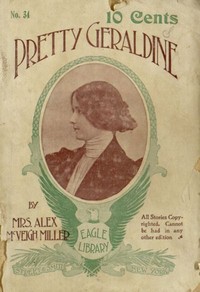
Pretty Geraldine, the New York Salesgirl; or, Wedded to Her Choice
Written by Alex. McVeigh Miller
Chaptra reads alongside you — AI insights, chapter breakdowns and reader discussions for every book. Join free
About this book
Reading guide
Themes, characters and key ideas in Pretty Geraldine, the New York Salesgirl; or, Wedded to Her Choice, written by Chaptra AI.
- about 8 hours
- intermediate
- melodramatic
- romantic
- perilous
Mrs. Alex. McVeigh Miller's "Pretty Geraldine, the New York Salesgirl; or, Wedded to Her Choice" is a quintessential dime novel that plunges its virtuous working-class heroine, Geraldine, into the perilous world of late 19th-century New York. Through a series of melodramatic trials, including the machinations of a dastardly villain and the challenges of poverty, Geraldine steadfastly maintains her moral integrity and independence. The narrative explores her struggles for survival and respectability, ultimately culminating in her triumphant vindication and a marriage born of true affection and personal choice, rather than social or financial pressure. It's a tale of perseverance, virtue rewarded, and the power of a woman's unwavering heart.
“"Though humble my station, my heart is my own, and no man, however wealthy, shall command it against my will!"”
Key themes
- Virtue and Morality
- This is the overarching theme, emphasizing the triumph of personal virtue over temptation and adversity. Geraldine's unwavering moral integrity, chastity, and honesty are constantly tested by the corrupt world around her, particularly by the villainous Blackwood. The novel unequivocally asserts that virtue is its own reward, and ultimately leads to happiness and vindication.
- Class Conflict and Social Mobility
- The novel vividly portrays the stark divide between the wealthy elite and the struggling working class in late 19th-century New York. Geraldine, as a salesgirl, represents the vulnerability and resilience of those in precarious economic positions, while Blackwood embodies the abuses of inherited privilege. The narrative explores the societal barriers faced by the poor and the moral failings often attributed to the rich.
- Female Agency and Choice
- Despite living in a patriarchal society, Geraldine's story is fundamentally about her 'choice' – not just in marriage, but in maintaining her independence and moral autonomy. The novel examines the limited yet significant ways women could assert agency in a world that often sought to control their destinies, particularly through marriage or economic dependence. Geraldine's choices are often acts of defiance against societal pressures and male dominance.
Worth discussing
How does Geraldine embody the ideal 'virtuous woman' of the late 19th century, and what are the limitations or strengths of this archetype?
Chapter-by-chapter breakdowns, character arcs and the full thematic analysis come with a free account.
Discussions
No one has started one yet
Questions this book opens up
No discussions yet
Be the first to start a discussion about this book!
Sign up to start the discussionReviews
No reviews yet
Be the first to review this book!