
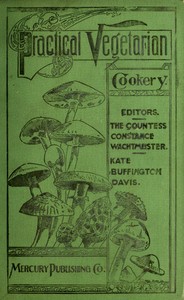
Practical vegetarian cookery
Written by Unknown author
Chaptra reads alongside you — AI insights, chapter breakdowns and reader discussions for every book. Join free
About this book
Reading guide
Themes, characters and key ideas in Practical vegetarian cookery, written by Chaptra AI.
- about 8 hours
- beginner
- instructive
- practical
- wholesome
"Practical Vegetarian Cookery" serves as a foundational guide for preparing meat-free dishes, focusing on accessible ingredients and straightforward techniques. The book systematically organizes recipes by course or ingredient type, guiding the reader through the basics of vegetarian preparation to more elaborate meals. It emphasizes practicality, economy, and the nutritional benefits of a plant-based diet, reflecting a historical context where vegetarianism might have been viewed as both a health choice and a thrifty necessity. While lacking a narrative plot, its essence lies in empowering the reader to confidently embrace and execute vegetarian cooking within their own kitchen.
“"The healthful and economic advantages of a vegetarian diet cannot be overstated."”
Key themes
- Practicality and Self-Sufficiency
- This theme underpins the entire book, emphasizing the ease and accessibility of preparing vegetarian meals with common ingredients and straightforward methods. It encourages readers to take control of their diet and kitchen, fostering a sense of independence in food preparation.
- Health and Wholesome Eating
- The book subtly or explicitly promotes vegetarianism as a path to better health. Recipes are designed to be nourishing, balanced, and free from perceived 'unhealthy' components of a meat-centric diet. This theme connects food choices directly to physical well-being.
- Economy and Resourcefulness
- Many vegetarian cookbooks, especially historical ones, highlight the cost-effectiveness of a plant-based diet. This theme emphasizes making the most of available ingredients, minimizing waste, and providing satisfying meals on a budget, reflecting an ethos of thrift and careful management.
Worth discussing
How does the concept of 'practicality' in this book compare to modern cooking trends and lifestyles?
Chapter-by-chapter breakdowns, character arcs and the full thematic analysis come with a free account.
Discussions
No one has started one yet
Questions this book opens up
No discussions yet
Be the first to start a discussion about this book!
Sign up to start the discussionReviews
No reviews yet
Be the first to review this book!