
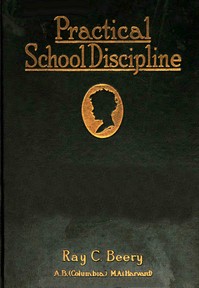
Practical school discipline : $b Applied methods, part 1
Written by Ray Coppock Beery
Chaptra reads alongside you — AI insights, chapter breakdowns and reader discussions for every book. Join free
About this book
Reading guide
Themes, characters and key ideas in Practical school discipline : $b Applied methods, part 1, written by Chaptra AI.
- about 6 hours
- intermediate
- instructive
- authoritative
- practical
Ray C. Beery's "Practical School Discipline: Applied Methods, Part 1" is an early 20th-century pedagogical guide designed to equip teachers with effective strategies for managing classroom behavior. The book advocates for discipline not as punishment, but as a crucial training process that prepares children for responsible societal participation. Through specific case studies and practical advice, Beery emphasizes understanding the root causes of misbehavior, recognizing children's natural instincts, and guiding them toward self-discipline. It promotes a cooperative, understanding approach from teachers and encourages professional dialogue among educators to foster harmonious learning environments.
“Effective discipline is not synonymous with punishment, but rather a necessary training process that prepares children for responsible social participation.”
Key themes
- Discipline as Constructive Training
- This theme is central to Beery's philosophy, moving beyond punitive measures to define discipline as a necessary, systematic process for developing self-control, good habits, and responsible citizenship. It's framed as an essential component of preparing children for their future societal roles.
- Understanding the Child's Behavior
- Beery advocates for teachers to look beyond the surface of misbehavior and delve into its 'underlying causes' and the 'natural instincts' of children. This theme encourages an empathetic and analytical approach to student conduct, suggesting that effective intervention stems from comprehension.
- The Teacher's Pivotal Role and Professionalism
- The book elevates the teacher's role beyond instruction to that of a crucial guide and mentor in a child's social and moral development. It also emphasizes the importance of professional growth and collaboration among educators to enhance their practice.
Worth discussing
How have definitions and approaches to 'discipline' in schools evolved since the early 20th century, and what core principles remain relevant?
Chapter-by-chapter breakdowns, character arcs and the full thematic analysis come with a free account.
Discussions
No one has started one yet
Questions this book opens up
No discussions yet
Be the first to start a discussion about this book!
Sign up to start the discussionReviews
No reviews yet
Be the first to review this book!