
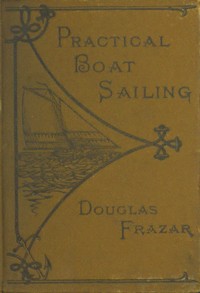
Practical Boat-Sailing: A Concise and Simple Treatise
Written by Douglas Frazar
Chaptra reads alongside you — AI insights, chapter breakdowns and reader discussions for every book. Join free
About this book
Reading guide
Themes, characters and key ideas in Practical Boat-Sailing: A Concise and Simple Treatise, written by Chaptra AI.
- about 10 hours
- intermediate
- instructive
- practical
- reassuring
Douglas Frazar's 'Practical Boat-Sailing: A Concise and Simple Treatise' is a late 19th-century instructional guide tailored for novice sailors, aiming to instill confidence and competence in managing small boats and yachts. The book systematically progresses from fundamental maritime terminology and equipment basics to essential operational skills such as sail configuration, anchoring techniques, and emergency procedures. Frazar's core message emphasizes the inherent safety of sailing when coupled with proper knowledge and management. It serves as a foundational text designed to demystify boat handling and empower beginners with the practical skills needed for secure and enjoyable sailing.
“It is not intended for experienced sailors but rather for novices seeking confidence in sailing small boats.”
Key themes
- Mastery Through Knowledge
- The fundamental premise of Frazar's treatise is that true competence and safety in sailing are direct consequences of acquiring comprehensive knowledge. The book is meticulously structured to provide this knowledge, starting with basic terminology and equipment, and progressively building towards complex operational techniques. This theme underscores the entire pedagogical framework, asserting that understanding is the primary key to overcoming ignorance, fear, and the challenges of the sea.
- Safety Through Preparedness
- Frazar vigorously champions the idea that sailing is inherently safe, provided the individual is adequately prepared, understands their vessel, and knows how to react to diverse conditions. This theme is explored through the exhaustive inclusion of emergency procedures, detailed anchoring techniques, and an emphasis on selecting appropriate boat types for specific sailing environments. It promotes a proactive approach to safety, shifting the focus from inherent dangers of the sea to the individual's responsibility for readiness and foresight.
- Self-Reliance and Practical Skill
- The book actively fosters a sense of self-reliance, empowering the reader to independently manage and operate a boat with confidence. By providing detailed, hands-on instructions for every aspect of boat handling, Frazar encourages the development of tangible, practical skills. This theme deeply reflects the late 19th-century societal value placed on individual capability, personal responsibility, and the mastery of practical arts, moving beyond mere theoretical understanding to confident, independent execution.
Worth discussing
How does Frazar's late 19th-century emphasis on safety through knowledge compare with contemporary attitudes towards risk and safety in recreational activities?
Chapter-by-chapter breakdowns, character arcs and the full thematic analysis come with a free account.
Discussions
No one has started one yet
Questions this book opens up
No discussions yet
Be the first to start a discussion about this book!
Sign up to start the discussionReviews
No reviews yet
Be the first to review this book!