
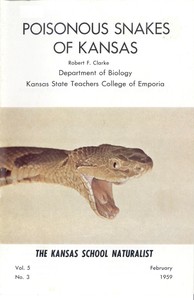
Poisonous Snakes of Kansas
Written by Robert F. (Robert Francis) Clarke
Chaptra reads alongside you — AI insights, chapter breakdowns and reader discussions for every book. Join free
About this book
Reading guide
Themes, characters and key ideas in Poisonous Snakes of Kansas, written by Chaptra AI.
- about 8 hours
- intermediate
- informative
- educational
- practical
Robert F. Clarke's "Poisonous Snakes of Kansas," published in the late 1950s, is a seminal scientific guide designed to educate the public on the identification, behavior, and ecological significance of venomous snakes in Kansas. It meticulously details physical characteristics, habitats, and feeding habits for each species, aiming to demystify these often-feared reptiles. Beyond identification, the book emphasizes critical aspects like differentiating between poisonous and non-poisonous species, snakebite prevention, and appropriate first aid. Clarke's work serves as a comprehensive resource, promoting both public safety through knowledge and the conservation of these vital components of the ecosystem.
“Understanding is the first step towards dispelling fear and ensuring safety.”
Key themes
- Dispelling Myths and Misinformation
- The book directly addresses and refutes common misconceptions and irrational fears surrounding poisonous snakes, replacing them with factual, scientific information. This theme is central to the book's purpose of public education and safety.
- Ecological Importance and Conservation
- Clarke emphasizes the vital role poisonous snakes play within their ecosystems, highlighting their contribution to biodiversity and natural pest control. This theme advocates for their protection and against their indiscriminate destruction.
- Public Safety Through Knowledge
- A core objective of the book is to equip the public with the knowledge necessary to prevent snakebites and respond appropriately if one occurs. It positions education as the primary tool for mitigating risk and ensuring human well-being.
Worth discussing
How does scientific education combat fear and misinformation about wildlife?
Chapter-by-chapter breakdowns, character arcs and the full thematic analysis come with a free account.
Discussions
No one has started one yet
Questions this book opens up
No discussions yet
Be the first to start a discussion about this book!
Sign up to start the discussionReviews
No reviews yet
Be the first to review this book!