
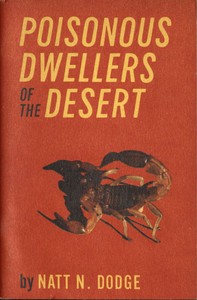
Poisonous Dwellers of the Desert
Written by Natt N. (Natt Noyes) Dodge
Chaptra reads alongside you — AI insights, chapter breakdowns and reader discussions for every book. Join free
About this book
Reading guide
Themes, characters and key ideas in Poisonous Dwellers of the Desert, written by Chaptra AI.
- about 6 hours
- intermediate
- informative
- cautionary
- educational
Poisonous Dwellers of the Desert by Natt N. Dodge is a seminal mid-20th-century scientific guide, notably revised in 1970, dedicated to educating the public about the venomous creatures inhabiting the American Southwest. The book meticulously describes species such as scorpions, snakes, and spiders, detailing their habitats, behaviors, and the nature of their venoms, while crucially debunking common myths and misconceptions. Dodge's work aims to foster a balanced view of desert life, promoting respect and understanding rather than unreasoning fear. It provides essential first-aid measures and argues that with proper knowledge and precautions, the desert can be a safe and appreciated environment. Through accessible prose, Dodge effectively blends scientific fact with practical advice, making it an invaluable resource for both safety and ecological awareness.
“Understanding is the key to safety and respect in the desert.”
Key themes
- Education and Dispelling Myths
- This is the central pillar of Dodge's work. The book actively combats widespread misinformation, sensationalism, and irrational fears surrounding desert creatures. Dodge systematically presents scientific facts to replace myths about the aggression, deadliness, and behavior of scorpions, spiders, and snakes, aiming to enlighten the public and foster rational understanding.
- Coexistence and Respect for Nature
- Beyond just identifying dangers, Dodge advocates for a philosophy of respectful coexistence with the natural world. He portrays venomous creatures not as inherently evil or aggressive, but as integral components of the desert ecosystem, each with its role. The book encourages readers to understand and appreciate these animals from an ecological perspective, promoting a balanced view that minimizes human impact while ensuring safety.
- Safety Through Knowledge and Preparedness
- A fundamental theme is that preparedness and accurate information are the best defenses against potential hazards. Dodge provides detailed first-aid measures and preventive strategies, empowering readers with the tools to react appropriately to bites and stings, and more importantly, to avoid them altogether. This theme underscores the idea that knowledge reduces vulnerability and increases personal safety in challenging environments.
Worth discussing
How does Natt N. Dodge challenge common human perceptions and fears about 'dangerous' animals, and how effective is his approach?
Chapter-by-chapter breakdowns, character arcs and the full thematic analysis come with a free account.
Discussions
No one has started one yet
Questions this book opens up
No discussions yet
Be the first to start a discussion about this book!
Sign up to start the discussionReviews
No reviews yet
Be the first to review this book!