
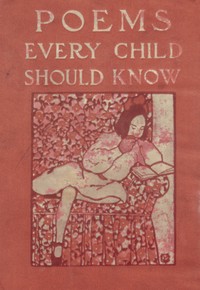
Poems Every Child Should Know: The What-Every-Child-Should-Know-Library
Written by Unknown author
Chaptra reads alongside you — AI insights, chapter breakdowns and reader discussions for every book. Join free
About this book
Reading guide
Themes, characters and key ideas in Poems Every Child Should Know: The What-Every-Child-Should-Know-Library, written by Chaptra AI.
- about 10 hours
- beginner
- whimsical
- educational
- nostalgic
"Poems Every Child Should Know: The What-Every-Child-Should-Know-Library" is a classic anthology compiled with the explicit purpose of introducing young readers to a foundational collection of English-language poetry. Lacking a single author or narrative, it serves as a curated library of verses intended to cultivate a love for language, rhythm, and imaginative thought from an early age. The selection typically encompasses a wide range of themes, styles, and historical periods, emphasizing moral lessons, nature's beauty, whimsical tales, and patriotic sentiments. Its enduring aim is to equip children with a shared cultural literacy in poetry, fostering memory and an appreciation for literary art.
“"I wandered lonely as a cloud / That floats on high o'er vales and hills," (Illustrative of nature poems)”
Key themes
- Nature and the Natural World
- Many poems in the anthology celebrate the beauty, wonder, and often the moral lessons found in nature. This theme encourages children to observe their surroundings, appreciate biodiversity, and understand natural cycles. It often evokes a sense of awe and connection to the environment.
- Language, Rhythm, and Imagination
- Beyond the explicit content, a core theme is the celebration of language itself – its musicality, power, and ability to transport the reader. The anthology implicitly teaches children about poetic devices, rhythm, rhyme, and how words can create vivid images and evoke emotions, thereby nurturing their own imaginative capacities.
- Childhood Innocence and Experience
- This theme captures the unique perspective of childhood – its joys, curiosities, fears, and the process of learning and growing. Poems often reflect on play, imagination, family, and the initial encounters with the wider world, from a child's innocent viewpoint.
Worth discussing
What makes a poem suitable for a child? Are there certain themes, rhythms, or language choices that are more effective?
Chapter-by-chapter breakdowns, character arcs and the full thematic analysis come with a free account.
Discussions
No one has started one yet
Questions this book opens up
No discussions yet
Be the first to start a discussion about this book!
Sign up to start the discussionReviews
No reviews yet
Be the first to review this book!