
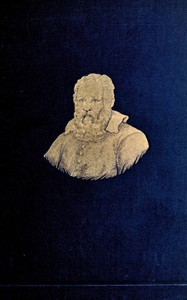
Pioneers of Science
Written by Oliver Lodge
Chaptra reads alongside you — AI insights, chapter breakdowns and reader discussions for every book. Join free
About this book
Reading guide
Themes, characters and key ideas in Pioneers of Science, written by Chaptra AI.
- about 10 hours
- intermediate
- Informative
- Inspirational
- Educational
Sir Oliver Lodge's "Pioneers of Science" is a late 19th-century historical account that delves into the foundational figures of scientific thought, with a particular emphasis on astronomers who revolutionized our understanding of the cosmos. The book traces the intellectual journeys of groundbreaking scientists like Copernicus, Tycho Brahe, and Galileo, illuminating their lives and the transformative theories they introduced. Lodge frames this historical narrative by reflecting on the contrasting mentalities between the common populace and the extraordinary minds who challenged ignorance and superstition. It underscores the profound shift initiated by Copernicus's heliocentric model, positioning it as the genesis of modern astronomy and a catalyst for broader scientific inquiry.
“It is the function of the pioneer to break new ground, to challenge accepted notions, and to endure the resistance of minds wedded to the past.”
Key themes
- The Spirit of Scientific Discovery
- This theme explores the intrinsic human drive to understand the natural world, characterized by curiosity, observation, critical inquiry, and the courage to challenge established beliefs. Lodge celebrates the intellectual bravery required to embark on uncharted intellectual territory.
- Conflict Between Science and Dogma
- Lodge vividly portrays the friction between new scientific discoveries, particularly those related to the structure of the cosmos, and the prevailing religious or philosophical dogmas of the time. This theme highlights the resistance to change and the personal risks involved in advocating for scientific truth.
- The Cumulative Nature of Knowledge
- The book illustrates how scientific progress is not a series of isolated breakthroughs but a continuous process where each generation builds upon the discoveries and insights of its predecessors. Lodge shows how even seemingly disparate contributions ultimately converge to form a more complete understanding.
Worth discussing
How does Lodge's late 19th-century perspective influence his portrayal of scientific history and the figures within it?
Chapter-by-chapter breakdowns, character arcs and the full thematic analysis come with a free account.
Discussions
No one has started one yet
Questions this book opens up
No discussions yet
Be the first to start a discussion about this book!
Sign up to start the discussionReviews
No reviews yet
Be the first to review this book!