
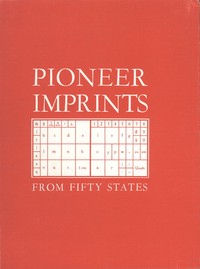
Pioneer Imprints from Fifty States
Written by Library of Congress,Roger J. Trienens
Chaptra reads alongside you — AI insights, chapter breakdowns and reader discussions for every book. Join free
About this book
Reading guide
Themes, characters and key ideas in Pioneer Imprints from Fifty States, written by Chaptra AI.
- about 20 hours
- advanced
- Informative
- Historical
- Academic
"Pioneer Imprints from Fifty States" by Roger J. Trienens and the Library of Congress offers a meticulous historical survey of the earliest printed materials across all fifty U.S. states. Published in the early 21st century, this academic work meticulously details the development and profound significance of printing in American history. It systematically explores various forms of early print media, including broadsides, newspapers, and almanacs, highlighting the unique origins of printing within each state. The book serves as an invaluable resource, showcasing exemplar works from the Library of Congress's vast collection and tracing the provenance of these historical imprints. Ultimately, it provides a comprehensive understanding of how printing shaped the cultural and informational landscape of a nascent nation and its evolving regions.
“"The earliest imprints provide a tangible link to the formative years of each state, reflecting their unique challenges and aspirations."”
Key themes
- Historical Preservation
- The book fundamentally underscores the critical importance of preserving historical documents and artifacts. By detailing the provenance and current housing of pioneer imprints at the Library of Congress, it highlights the efforts required to safeguard these fragile records of the past. This theme emphasizes that understanding the present and future is inextricably linked to the careful maintenance and study of primary sources.
- Cultural Development through Print
- This theme explores how the establishment and spread of printing presses were integral to the cultural and intellectual development of the United States. Printing facilitated the dissemination of ideas, laws, news, and literature, thereby shaping public opinion, fostering literacy, and contributing to a shared national consciousness, even amidst regional differences. It shows how print media became a bedrock for education, governance, and social discourse.
- Regional Identity and Diversity
- By dedicating individual sections to each of the fifty states, the book implicitly highlights the unique challenges, resources, and cultural priorities that influenced the development of printing in different regions. It reveals how printing histories diverged based on factors like settlement patterns, economic activities, population density, and access to materials, thus contributing to distinct regional identities within the broader American narrative.
Worth discussing
How did the earliest printed materials shape the cultural and political identity of individual U.S. states?
Chapter-by-chapter breakdowns, character arcs and the full thematic analysis come with a free account.
Discussions
No one has started one yet
Questions this book opens up
No discussions yet
Be the first to start a discussion about this book!
Sign up to start the discussionReviews
No reviews yet
Be the first to review this book!