
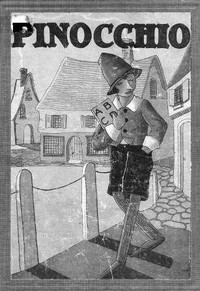
Pinocchio: The Tale of a Puppet
Written by Carlo Collodi
Chaptra reads alongside you — AI insights, chapter breakdowns and reader discussions for every book. Join free
About this book
Reading guide
Themes, characters and key ideas in Pinocchio: The Tale of a Puppet, written by Chaptra AI.
- about 8 hours
- intermediate
- moralistic
- adventurous
- didactic
Carlo Collodi's "Pinocchio: The Tale of a Puppet" chronicles the tumultuous journey of a mischievous wooden puppet who longs to become a real boy. Brought to life by the poor carpenter Geppetto, Pinocchio repeatedly succumbs to temptation, laziness, and dishonesty, leading him into numerous perilous adventures and encounters with a colorful cast of characters, both benevolent and malicious. Through a series of harsh lessons and eventual acts of selflessness and hard work, Pinocchio gradually learns the value of truth, obedience, and familial love. The narrative is a profound allegory for moral development and the challenging path from childish impulsiveness to responsible humanity, culminating in his transformation into a flesh-and-blood child.
“"A conscience is a very troublesome thing, for it pricks and torments us and fills us with remorse when we do wrong."”
Key themes
- Morality and Ethics
- The central theme of the novel, exploring the development of a moral compass. Pinocchio's journey is a constant struggle between right and wrong, where his actions directly lead to consequences, teaching him the value of honesty, hard work, and selflessness over laziness, deceit, and immediate gratification.
- Identity and Transformation
- Pinocchio's quest to become a 'real boy' is a metaphor for the human journey of self-discovery and moral development. It questions what truly defines humanity: physical form or moral character. His transformations (puppet to donkey, puppet to boy) highlight the idea that identity is earned through experience and ethical choices.
- Obedience and Disobedience
- The narrative explicitly links Pinocchio's suffering and misfortunes to his disobedience towards Geppetto, the Talking Cricket, and the Fairy. Conversely, his eventual happiness and transformation are direct results of learning to be obedient and responsible. It's a strong commentary on the importance of heeding good advice and respecting authority, particularly parental and moral authority.
Worth discussing
How does Pinocchio's journey reflect the universal human experience of growing up and learning morality?
Chapter-by-chapter breakdowns, character arcs and the full thematic analysis come with a free account.
Discussions
No one has started one yet
Questions this book opens up
No discussions yet
Be the first to start a discussion about this book!
Sign up to start the discussionReviews
No reviews yet
Be the first to review this book!