
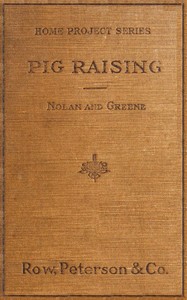
Pig Raising: A Manual for Pig Clubs
Written by James Henry Greene,Aretas Wilbur Nolan
Chaptra reads alongside you — AI insights, chapter breakdowns and reader discussions for every book. Join free
About this book
Reading guide
Themes, characters and key ideas in Pig Raising: A Manual for Pig Clubs, written by Chaptra AI.
- about 8 hours
- beginner
- instructive
- practical
- encouraging
''Pig Raising: A Manual for Pig Clubs'' by Nolan and Greene is an early 20th-century instructional guide designed for youth participating in agricultural extension programs, particularly pig clubs. The manual provides comprehensive, practical advice on all aspects of swine management, from breed selection and feeding to housing and record-keeping. It emphasizes hands-on learning, structured club activities, and the importance of collective effort among young farmers. Through calendars, exercises, and resources, the book aims to foster agricultural education, self-sufficiency, and community involvement, equipping students with essential skills for successful pig husbandry.
“The pig club offers to the boy or girl a splendid opportunity for developing leadership and initiative.”
Key themes
- Agricultural Education
- The central theme revolves around providing structured, practical education in swine husbandry to young individuals. The manual itself is a pedagogical tool, designed to impart scientific farming methods and best practices through clear instructions, exercises, and organized club activities. It aims to develop a skilled and knowledgeable generation of farmers.
- Youth Empowerment and Development
- The manual explicitly targets young people, aiming to empower them with valuable life skills, a sense of responsibility, and the capacity for independent project management. It fosters initiative, decision-making, and perseverance through the demanding yet rewarding process of raising livestock, thereby contributing to their personal and vocational development.
- Scientific Farming and Efficiency
- The manual advocates for a scientific approach to agriculture, moving beyond traditional, less efficient methods. It provides detailed, systematic instructions based on contemporary agricultural science regarding breed selection, nutrition, sanitation, and disease management, all aimed at maximizing efficiency and profitability in pig raising.
Worth discussing
How does the manual's emphasis on 'pig clubs' reflect early 20th-century pedagogical approaches to youth education and community building?
Chapter-by-chapter breakdowns, character arcs and the full thematic analysis come with a free account.
Discussions
No one has started one yet
Questions this book opens up
No discussions yet
Be the first to start a discussion about this book!
Sign up to start the discussionReviews
No reviews yet
Be the first to review this book!