
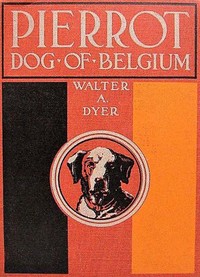
Pierrot, Dog of Belgium
Written by Walter A. (Walter Alden) Dyer
Chaptra reads alongside you — AI insights, chapter breakdowns and reader discussions for every book. Join free
About this book
Reading guide
Themes, characters and key ideas in Pierrot, Dog of Belgium, written by Chaptra AI.
- about 6 hours
- intermediate
- poignant
- heartwarming
- somber
Walter A. Dyer's "Pierrot, Dog of Belgium" is a poignant historical fiction novel set during the early 20th century, tracing the life of a Belgian dog named Pierrot. The story begins with Pierrot's idyllic puppyhood on the Van Huyk family's dairy farm, where he grows into a vital member of the household alongside his human companions, Henri and Lisa, and the older dog, Luppe. However, this innocence is shattered by the outbreak of war, which transforms the serene Belgian landscape into a battleground. The narrative then shifts to explore the profound impact of conflict on both human and animal lives, highlighting themes of loyalty, resilience, and the enduring bond between species amidst unimaginable hardship. Pierrot's journey from a playful farm dog to a steadfast companion during wartime forms the emotional core of this touching tale.
“From the moment Pierrot's paws touched the Van Huyk farm, he was not just a dog, but a promise of companionship and a future built on loyalty.”
Key themes
- Loyalty and Devotion
- This theme is central to the narrative, primarily explored through Pierrot's unwavering allegiance to the Van Huyk family. It examines the profound, unconditional bond between humans and animals, highlighting how loyalty serves as a source of strength, comfort, and even survival during times of extreme adversity. Pierrot's actions consistently demonstrate his dedication, often at great personal risk.
- The Impact of War
- The book vividly portrays the devastating effects of war, not just on soldiers, but on innocent civilians, families, and the natural landscape. It moves beyond battlefield heroics to show the personal cost of conflict: the loss of innocence, displacement, scarcity, and constant fear. The war serves as a catalyst for all the hardships faced by Pierrot and the Van Huyk family, fundamentally altering their lives.
- Human-Animal Bond
- This theme explores the deep, reciprocal connection between humans and animals, particularly through the relationship between Pierrot and the Van Huyk family. It highlights how animals can offer profound emotional support, practical assistance, and a sense of normalcy or hope in dire circumstances, while humans provide care and love. The bond transcends mere pet ownership, becoming a partnership for survival.
Worth discussing
How does Pierrot's perspective offer a unique insight into the impact of war compared to human-centric narratives?
Chapter-by-chapter breakdowns, character arcs and the full thematic analysis come with a free account.
Discussions
No one has started one yet
Questions this book opens up
No discussions yet
Be the first to start a discussion about this book!
Sign up to start the discussionReviews
No reviews yet
Be the first to review this book!