
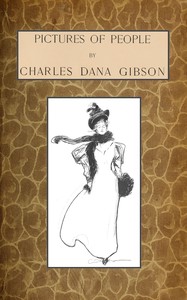
Pictures of People
Written by Charles Dana Gibson
Chaptra reads alongside you — AI insights, chapter breakdowns and reader discussions for every book. Join free
About this book
Reading guide
Themes, characters and key ideas in Pictures of People, written by Chaptra AI.
- about 6 hours
- intermediate
- humorous
- satirical
- charming
Charles Dana Gibson's "Pictures of People" is a captivating collection of late 19th-century illustrations that offers a witty and satirical commentary on the social landscape of its era. Through a diverse array of sketches, Gibson masterfully captures the nuances of societal norms, romantic pursuits, and the everyday experiences of men and women across various social strata. The book serves as both an entertaining visual journey and a valuable historical document, reflecting prevalent gender roles, class distinctions, and the evolving dynamics of human relationships. Gibson's distinctive artistic style and keen observational humor provide readers a delightful and insightful glimpse into the cultural fabric of a bygone age.
Key themes
- Social Norms and Etiquette
- Gibson's illustrations are a rich tapestry of the elaborate social customs, unwritten rules, and behavioral expectations of the late 19th century. He humorously depicts the rituals of formal calls, dining etiquette, public decorum, and the subtle cues that governed interactions between different social classes and genders. The humor often arises from characters adhering to or comically failing to meet these strict standards.
- Gender Roles and Expectations
- A central theme is the exploration of masculinity and femininity as defined by the era. Gibson famously popularized the 'Gibson Girl,' challenging some Victorian norms by depicting women as active, intelligent, and spirited, yet still within the bounds of traditional grace. He also satirizes the expectations placed on men as providers and suitors, often showing their humorous struggles to live up to these ideals.
- Romance and Courtship
- Gibson's work is replete with scenes of budding romance, flirtation, and the elaborate rituals of courtship. He captures the excitement, anxiety, and often comic misunderstandings inherent in the pursuit of love. The illustrations frequently depict the delicate dance between suitor and beloved, often under the watchful eye of chaperones, highlighting the period's structured approach to finding a partner.
Worth discussing
How do Gibson's illustrations reflect and comment on the social norms and etiquette of the late 19th century?
Chapter-by-chapter breakdowns, character arcs and the full thematic analysis come with a free account.
Discussions
No one has started one yet
Questions this book opens up
No discussions yet
Be the first to start a discussion about this book!
Sign up to start the discussionReviews
No reviews yet
Be the first to review this book!