
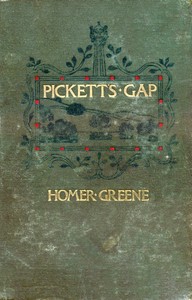
Pickett's Gap
Written by Homer Greene
Chaptra reads alongside you — AI insights, chapter breakdowns and reader discussions for every book. Join free
About this book
Reading guide
Themes, characters and key ideas in Pickett's Gap, written by Chaptra AI.
- about 8 hours
- intermediate
- somber
- reflective
- tense
Homer Greene's "Pickett's Gap" is an early 20th-century novel exploring the profound clash between tradition and progress through the lens of a fractured family. Proud farmer Abner Pickett staunchly defends his ancestral land and family graveyard against the encroachment of a modern railroad, a conflict exacerbated by his estranged son Charlie's unexpected involvement in the very project threatening their homestead. The narrative delves into themes of familial duty, the sanctity of land, and the enduring legacy of the past, as young grandson Dannie navigates the family's deep-seated conflicts and the lore surrounding their cherished graveyard. Ultimately, the story is a poignant examination of reconciliation, the evolving definition of home, and the delicate balance between honoring heritage and embracing change.
“This land ain't just dirt, Charlie; it's the blood and sweat of generations. It's Pickett.”
Key themes
- Family Conflict and Reconciliation
- The central theme revolves around the deep-seated conflict between Abner and Charlie, stemming from differing values and life choices. It explores the pain of estrangement, the stubbornness of pride, and the difficult, often long, path toward understanding and healing within a family.
- Tradition vs. Progress
- This theme explores the clash between the deeply rooted, agrarian traditions represented by Abner and the modern, industrial progress embodied by the railroad and Charlie's profession. It questions the value of preserving the old against the perceived benefits and inevitability of the new.
- Land Ownership and Identity
- The novel portrays land not merely as property but as an extension of identity, history, and self-worth, particularly for Abner. It delves into how one's connection to the land shapes who they are, their sense of belonging, and their legacy, making its loss an existential threat.
Worth discussing
How does Abner Pickett's definition of 'home' and 'legacy' clash with Charlie's aspirations for progress and independence?
Chapter-by-chapter breakdowns, character arcs and the full thematic analysis come with a free account.
Discussions
No one has started one yet
Questions this book opens up
No discussions yet
Be the first to start a discussion about this book!
Sign up to start the discussionReviews
No reviews yet
Be the first to review this book!