
Chaptra

The AI reading companion for people who take books seriously

AI insights, chapter breakdowns, community discussions — all in one place.

Join free
Book0 • 300+ pages • 5+ hours reading time

Picciola : $b The prisoner of Fenestrella or, captivity captive

3.4/5
335 readers on Chaptra have this book

About this book

"Picciola : The Prisoner of Fenestrella or, Captivity Captive" by X.-B. Saintine is a novel written in the late 19th century. The narrative revolves around Charles Veramont, Count de Charney, who finds himself imprisoned in the fortress of Fenestrella after his political ambitions lead to exile. The story explores themes of isolation, introspection, and the relationship between man and nature, particularly through the delicate plant he names Picciola, which becomes a symbol of hope and companionship in his confinement. The opening of the novel introduces the Count as a multifaceted character who has fallen into disillusionment with society and knowledge, leading him on a downward spiral into skepticism and despair. His imprisonment strips away the distractions of wealth and social status, forcing him to confront his inner turmoil. As he grapples with his loneliness and the despair of captivity, he makes an unexpected discovery: a fragile plant struggling to survive in the cracks of the prison courtyard. This initial encounter sparks a profound transformation in Charney, revealing a delicate bond forming between him and the plant that transcends his circumstances, hinting at themes of resilience and the redemptive power of nature. Throughout the opening chapters, the transformation of both the prisoner and Picciola unfolds, hinting at a deeper exploration of their intertwined fates as the story progresses.
Language
English
Publisher
Project Gutenberg
Release date
Unknown
Downloads
198

More by X.-B. (Xavier-Boniface) Saintine

Browse all books by this author

Explore Prisoners Books

Discover more Prisoners literature
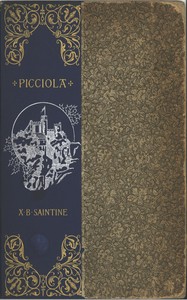
Cover of Picciola : $b The prisoner of Fenestrella or, captivity captive

Click "Read now" to open in our Reader with AI features.

Community Discussions

Join the conversation about this book

Discussions

0 discussions

Join

No discussions yet

Be the first to start a discussion about this book!

Sign up to start the discussion

AI-Powered Insights

A clearer way to understand Picciola : $b The prisoner of Fenestrella or, captivity captive through themes, characters, and key ideas

This reading guide highlights what stands out in Picciola : $b The prisoner of Fenestrella or, captivity captive through 5 core themes, 4 character profiles. It is meant to help readers decide whether the book fits their taste and deepen the reading once they begin.

AI Reading GuidePreview

About this book

A quick AI guide to “Picciola : $b The prisoner of Fenestrella or, captivity captive

Get the shape of the book before you commit: what it is about, what mood it carries, and what ideas readers tend to stay with afterward.

~8h readintermediateupliftingphilosophicalreflective

What the book is doing

X.-B. Saintine's "Picciola" tells the poignant story of Charles Veramont, Count de Charney, a cynical and disillusioned nobleman imprisoned in the fortress of Fenestrella for political reasons. Stripped of his former life, Charney descends into despair until he discovers a fragile plant growing in the prison courtyard, which he names Picciola. This unexpected bond with nature sparks a profound transformation, leading him from skepticism and isolation to hope, introspection, and a renewed appreciation for life's simple wonders. The novel ultimately explores how the smallest connection can redeem a lost soul, proving that true captivity is often of the spirit, while true freedom can be found even within prison walls.

Key Themes

Redemptive Power of Nature

This is the central theme, exploring how a connection with the natural world can heal, transform, and provide solace and meaning, even in the direst circumstances. Nature acts as a teacher and a source of spiritual awakening for the protagonist.

Isolation and Introspection

The novel delves into the psychological effects of extreme isolation and how it can either lead to despair or force profound self-reflection and personal growth. Charney's confinement strips away all external distractions, forcing him to confront his inner self.

A line worth noting
"Man, in his pride, often seeks for knowledge in the great, and misses the lessons in the small."
A good discussion starter

How does Charney's initial cynicism and intellectual arrogance contrast with his eventual transformation? What role does his imprisonment play in breaking down his former self?

Unlock the full reading guide

See chapter-by-chapter takeaways, deeper character arcs, and a fuller literary analysis built around this book.

Unlock full AI analysis for “Picciola : $b The prisoner of Fenestrella or, captivity captive

Chapter breakdowns, character deep-dives, and thematic analysis — all in one place.

Reader Reviews

See what others are saying

Reviews

Overall Rating

3.4
1860 ratings

Based on community ratings

No reviews yet

Be the first to review this book!

Readers Also Enjoyed

Discover more books similar to Picciola : $b The prisoner of Fenestrella or, captivity captive