
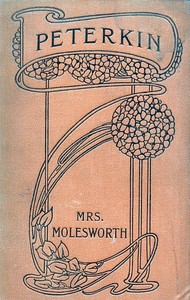
Peterkin
Written by Mrs. Molesworth
Chaptra reads alongside you — AI insights, chapter breakdowns and reader discussions for every book. Join free
About this book
Reading guide
Themes, characters and key ideas in Peterkin, written by Chaptra AI.
- about 6 hours
- intermediate
- whimsical
- heartwarming
- mysterious
Mrs. Molesworth's 'Peterkin' is a heartwarming children's novel from the early 20th century, exploring the whimsical world of a young, imaginative boy named Peterkin through the eyes of his older, more sensible brother, Giles. The story masterfully blends childhood adventure with the profound power of imagination, beginning with Peterkin's mysterious disappearance and the family's subsequent relief and curiosity upon his safe return. As Giles narrates, readers are drawn into Peterkin's unique perception of reality, often colored by fairy-tale notions and enchanting encounters. The narrative unfolds as a gentle exploration of sibling bonds, the magic of childhood, and the quest to understand a mind brimming with wonder.
“The world was a place of endless wonder for Peterkin, where every shadow held a secret and every sound a story.”
Key themes
- Imagination vs. Reality
- This is the central theme, explored through Peterkin's unique perception of the world where ordinary objects and events are imbued with magical significance. The narrative often contrasts Peterkin's imaginative interpretations with the more grounded reality perceived by his family, particularly Giles, highlighting the subjective nature of experience.
- Childhood Innocence and Perception
- The novel tenderly explores the innocent and unjaded perspective of childhood, where wonder is easily found, and the lines between make-believe and truth are beautifully blurred. Peterkin embodies this innocence, showing how children experience and interpret the world differently from adults.
- Sibling Relationships and Empathy
- Central to the narrative is the evolving relationship between Peterkin and Giles. Giles's journey of understanding and empathy for his younger, more unconventional brother forms a significant emotional core of the story. It explores the protective instincts, frustrations, and ultimate love that bind siblings together.
Worth discussing
How does Peterkin's perception of the world differ from that of his siblings, and what does this reveal about the nature of childhood imagination?
Chapter-by-chapter breakdowns, character arcs and the full thematic analysis come with a free account.
Discussions
No one has started one yet
Questions this book opens up
No discussions yet
Be the first to start a discussion about this book!
Sign up to start the discussionReviews
No reviews yet
Be the first to review this book!