
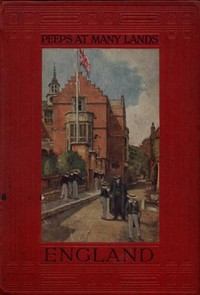
Peeps at Many Lands: England
Written by John Finnemore
Chaptra reads alongside you — AI insights, chapter breakdowns and reader discussions for every book. Join free
About this book
Reading guide
Themes, characters and key ideas in Peeps at Many Lands: England, written by Chaptra AI.
- about 8 hours
- intermediate
- informative
- picturesque
- historical
John Finnemore's 'Peeps at Many Lands: England' is an early 20th-century descriptive travelogue that invites readers on an informative and picturesque journey across England. The book meticulously explores various iconic locations, from the bustling heart of London to charming towns, historic rivers, and significant landmarks, highlighting their rich history and cultural importance. Finnemore employs vivid descriptions to capture the scenic beauty and historical depth of each site, aiming to provide readers with a comprehensive appreciation of England's multifaceted character. The narrative commences with a detailed exploration of London, setting a captivating stage for the broader historical and cultural expedition that unfolds throughout the rest of the book.
“London, that vast heart of England, beats with a rhythm born of centuries, its arteries a labyrinth of streets, its pulse felt in every ancient stone and modern edifice.”
Key themes
- History and Heritage as Foundation
- Finnemore consistently emphasizes the profound influence of history on England's present-day landscape and culture. Each location is presented not just for its current appearance but for the layers of history it embodies, from ancient events to more recent developments. The past is shown to be an active, living presence that shapes the character of towns, rivers, and institutions, providing context and depth to the English experience.
- The Spirit of Place and National Identity
- This theme explores how the unique characteristics of England's landscapes, architecture, and historical sites contribute to a distinct national identity. Finnemore meticulously details the specific qualities of each location, from London's urban grandeur to the charm of rural towns, to collectively paint a picture of what it means to be 'English'. The book suggests that the nation's identity is deeply intertwined with its physical spaces and the stories they hold.
- The Beauty of Landscape and Architecture
- The book serves as an ode to the aesthetic qualities of England, celebrating both its natural scenery and its man-made structures. Finnemore's vivid descriptions focus on the visual charm of towns, the serene beauty of rivers, and the grandeur of landmarks, inviting readers to appreciate England's picturesque qualities. This theme underscores the importance of aesthetic experience and the inherent beauty found in the physical world, both natural and constructed.
Worth discussing
How does Finnemore's portrayal of England reflect the national identity and cultural values of the early 20th century?
Chapter-by-chapter breakdowns, character arcs and the full thematic analysis come with a free account.
Discussions
No one has started one yet
Questions this book opens up
No discussions yet
Be the first to start a discussion about this book!
Sign up to start the discussionReviews
No reviews yet
Be the first to review this book!