
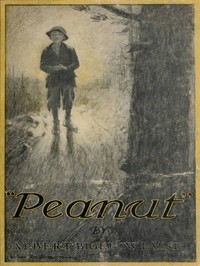
"Peanut": The Story of a Boy
Written by Albert Bigelow Paine
Chaptra reads alongside you — AI insights, chapter breakdowns and reader discussions for every book. Join free
About this book
Reading guide
Themes, characters and key ideas in "Peanut": The Story of a Boy, written by Chaptra AI.
- about 8 hours
- intermediate
- poignant
- nostalgic
- melancholy
Albert Bigelow Paine's "Peanut": The Story of a Boy is a poignant early 20th-century novel chronicling young Philip Nutt's journey through loss and the search for belonging. Following the death of his outlaw guardian, Blazer Sam, Peanut navigates a simple wilderness life with Sam's companion, the "Rose of Texas." His world expands dramatically when schoolteacher Miss Cynthia Schofield attempts to introduce him to formal education and city life. The narrative explores Peanut's struggle with homesickness and the stark cultural differences between his wild upbringing and the structured urban environment. Ultimately, his quest for identity leads him back to his beloved mountains, symbolizing a return to his roots and a reconciliation with the enduring memory of Blazer Sam.
“"The mountains held secrets, but they also held comfort, a comfort the city could never understand."”
Key themes
- Belonging and Identity
- Central to Peanut's journey is his quest to understand who he is and where he belongs. Raised in an unconventional setting, his identity is deeply intertwined with the wilderness and the people who shaped him. His displacement to the city forces him to confront conflicting identities and ultimately choose the world where he feels most authentic.
- Loss and Grief
- The story opens with the profound loss of Peanut's guardian, Blazer Sam, which sets the emotional tone and initiates Peanut's journey. The theme explores how a child processes death, the lingering presence of the deceased through memory, and the subsequent longing for what was lost. Peanut's homesickness for the wilderness is also a form of grief for his lost way of life.
- Nature vs. Civilization
- The novel presents a stark contrast between the untamed freedom and authenticity of the wilderness and the structured, often stifling, environment of city life and formal education. This theme explores the perceived benefits and drawbacks of each, questioning which truly offers a more fulfilling existence and a more valuable form of education.
Worth discussing
How does the novel portray the concept of 'home'? Is it a physical place, a memory, or a feeling?
Chapter-by-chapter breakdowns, character arcs and the full thematic analysis come with a free account.
Discussions
No one has started one yet
Questions this book opens up
No discussions yet
Be the first to start a discussion about this book!
Sign up to start the discussionReviews
No reviews yet
Be the first to review this book!