
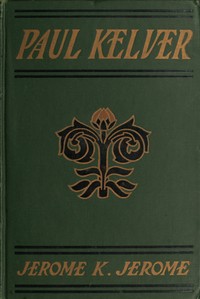
Paul Kelver
Written by Jerome K. (Jerome Klapka) Jerome
Chaptra reads alongside you — AI insights, chapter breakdowns and reader discussions for every book. Join free
About this book
Reading guide
Themes, characters and key ideas in Paul Kelver, written by Chaptra AI.
- about 10 hours
- intermediate
- reflective
- whimsical
- poignant
Jerome K. Jerome's "Paul Kelver" is a poignant and reflective novel from the early 20th century, chronicling the life and coming-of-age of its titular protagonist. The narrative delves into Paul's childhood and family dynamics, set against a London that blurs the lines between harsh reality and whimsical fantasy. Through Paul's tender yet critical observations, the story explores profound themes of identity, the influence of family, and the struggle against life's fortunes and misfortunes. It's a journey of self-discovery, marked by a unique blend of humor, pathos, and keen social commentary, as Paul navigates the complexities of his upbringing and the societal expectations placed upon him.
“"It is a curious thing, this business of being born, and one that often leaves us wondering if the dice were fairly cast."”
Key themes
- Identity and Self-Discovery
- Central to the bildungsroman structure, this theme explores Paul's journey to understand who he is, separate from his parents' aspirations and societal expectations. It delves into how childhood experiences, imagination, and personal reflections contribute to the formation of a unique self.
- Family Dynamics and Parental Influence
- The novel deeply examines the intricate relationships within Paul's family, particularly the contrasting personalities and ambitions of his parents and their profound impact on his development. It explores themes of love, disappointment, and the legacy parents pass on to their children.
- Reality vs. Illusion/Fantasy
- Jerome K. Jerome skillfully blurs the lines between the harsh realities of Paul's life and his imaginative, often whimsical interpretations of them. This theme explores how individuals construct their understanding of the world, using fantasy as both an escape and a tool for deeper insight.
Worth discussing
How does Jerome K. Jerome blend humor and pathos in Paul Kelver's narrative, and what effect does this have on the reader?
Chapter-by-chapter breakdowns, character arcs and the full thematic analysis come with a free account.
Discussions
No one has started one yet
Questions this book opens up
No discussions yet
Be the first to start a discussion about this book!
Sign up to start the discussionReviews
No reviews yet
Be the first to review this book!