
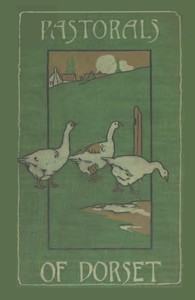
Pastorals of Dorset
Written by M. E. Francis
Chaptra reads alongside you — AI insights, chapter breakdowns and reader discussions for every book. Join free
About this book
Reading guide
Themes, characters and key ideas in Pastorals of Dorset, written by Chaptra AI.
- about 8 hours
- intermediate
- Evocative
- Poignant
- Reflective
M. E. Francis's "Pastorals of Dorset" is a poignant collection of early 20th-century tales that vividly portrays the lives of rural characters in the English countryside. Through character-driven narratives, the book explores the challenges and enduring spirit of agrarian life, community bonds, and the inexorable march of time. Central to its opening is the interaction between Farmer Joyce and the aging shepherd Abel Robbins, whose struggle with failing health and economic pressures encapsulates the broader themes of change and loyalty in a disappearing rural world. The collection serves as both a snapshot of a specific era and a timeless reflection on human resilience and the passage of generations.
“The fields held more than crops; they held the memories of every furrow turned, every seed sown by hands now gnarled with time.”
Key themes
- Aging and Decline
- This theme is centrally explored through characters like Abel Robbins, who grapples with the physical and professional decline that comes with old age. The book poignantly illustrates the challenges of maintaining dignity and purpose when one's body and traditional skills are no longer sufficient for demanding labor. It delves into the emotional toll of losing one's capacity for work and the fear of becoming a burden.
- Agrarian Life and Labor
- The core of the "Pastorals" is the detailed and evocative portrayal of life tied to the land. This theme encompasses the daily routines, seasonal cycles, physical demands, and deep connection between the rural inhabitants and their environment. It highlights the dignity of manual labor and the resilience required to thrive in an agricultural setting, often against economic hardship and the whims of nature.
- Community and Tradition
- The book explores the intricate web of relationships within a close-knit rural community, where individuals are often defined by their roles and history within the village. It examines the strength of communal bonds, mutual support, and the adherence to long-standing customs and traditions that provide stability and identity, even as external forces threaten to disrupt them.
Worth discussing
How does M. E. Francis portray the relationship between humans and the natural world in Dorset? What is the significance of the landscape?
Chapter-by-chapter breakdowns, character arcs and the full thematic analysis come with a free account.
Discussions
No one has started one yet
Questions this book opens up
No discussions yet
Be the first to start a discussion about this book!
Sign up to start the discussionReviews
No reviews yet
Be the first to review this book!