
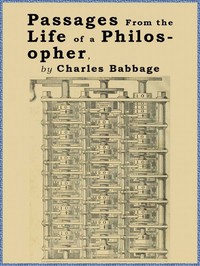
Passages from the Life of a Philosopher
Written by Charles Babbage
Chaptra reads alongside you — AI insights, chapter breakdowns and reader discussions for every book. Join free
About this book
Reading guide
Themes, characters and key ideas in Passages from the Life of a Philosopher, written by Chaptra AI.
- about 12 hours
- advanced
- reflective
- intellectual
- pioneering
Charles Babbage's "Passages from the Life of a Philosopher" is a unique semi-autobiographical work that interweaves personal reflections with a detailed account of his groundbreaking work on calculating machines, most notably the Difference Engine. Through a series of anecdotes and philosophical musings, Babbage explores the multifaceted challenges and triumphs inherent in the pursuit of scientific knowledge and invention in 19th-century England. The narrative begins with Babbage's contemplative thoughts on ancestry and identity, moving through vivid recollections of his curious childhood and formative experiences that shaped his rational inquiry. Ultimately, the book serves as both a historical document of early computing and a profound meditation on the inventor's life, marked by both intellectual vigor and societal friction.
“The great impediment to the progress of knowledge is the frequently mistaken opinion that we know too much already.”
Key themes
- Innovation and the Pursuit of Knowledge
- This theme is central to Babbage's life and work. The book extensively details his relentless pursuit of knowledge and his groundbreaking efforts to invent calculating machines. It explores the intellectual drive behind his creations, the scientific principles he employed, and his unwavering belief in the power of systematic inquiry to advance human understanding and capability.
- Challenges of Progress and Societal Resistance
- Babbage vividly recounts the myriad obstacles he faced in bringing his inventions to fruition, including financial difficulties, bureaucratic inertia, lack of public understanding, and resistance from established institutions. This theme highlights the friction between visionary ideas and the practical, political, and social realities of implementing them.
- Legacy and Identity
- From the book's opening reflections on ancestry and the weight of a name, Babbage explores themes of personal identity, the desire to leave a lasting mark, and how one's contributions shape future generations. He grapples with his own place in history, reflecting on the enduring value of his ideas even if his physical machines were not completed in his lifetime.
Worth discussing
How does Babbage's early life and childhood experiences foreshadow his later scientific pursuits and philosophical outlook?
Chapter-by-chapter breakdowns, character arcs and the full thematic analysis come with a free account.
Discussions
No one has started one yet
Questions this book opens up
No discussions yet
Be the first to start a discussion about this book!
Sign up to start the discussionReviews
No reviews yet
Be the first to review this book!