
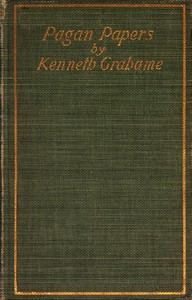
Pagan Papers
Written by Kenneth Grahame
Chaptra reads alongside you — AI insights, chapter breakdowns and reader discussions for every book. Join free
About this book
Reading guide
Themes, characters and key ideas in Pagan Papers, written by Chaptra AI.
- about 8 hours
- intermediate
- reflective
- nostalgic
- romantic
Kenneth Grahame's "Pagan Papers" is a captivating collection of late 19th-century essays that delves into the beauty of nature, the introspection of travel, and the profound depths of human experience. Infused with a tender nostalgia and a rich vein of romanticism, Grahame's reflective prose invites readers to journey through the English countryside, particularly along ancient rural roads, which are often personified as companions guiding both physical and internal explorations. The collection, exemplified by the opening essay "The Romance of the Road," celebrates the historical resonance and emotional impact of these paths, blending vivid imagery with philosophical musings on memory, movement, and the inexorable passage of time. It ultimately suggests that the act of journeying itself, replete with its observations and reflections, holds as much significance as any final destination.
“"The true pagan, I take it, is the man who can sit in the sun, on a gate, and be content."”
Key themes
- Nature and the Pastoral Ideal
- This theme is paramount, celebrating the unspoiled beauty of the English countryside and advocating for a life lived in harmony with natural rhythms. Grahame describes nature not just as scenery but as a source of spiritual solace, wisdom, and profound joy, often contrasting its timelessness with the transience of human endeavors. He idealizes rural life, viewing it as a refuge from the complexities and artificiality of industrial society.
- Nostalgia and the Passage of Time
- A pervasive mood throughout the collection, Grahame frequently reflects on the past with a gentle melancholy and longing. He laments the fading of old ways and the innocence of bygone eras, often intertwining personal memories with a broader sense of historical loss. This theme explores how memory shapes our present understanding and provides a bittersweet comfort, suggesting the past is never truly lost if cherished.
- The Journey as Metaphor
- Physical travel, particularly walking along rural roads, serves as a powerful metaphor for life's journey and intellectual exploration. Grahame emphasizes that the process of movement and observation is as significant as any destination. These journeys allow for introspection, connection with history, and an appreciation for the subtle beauties of existence, leading to profound personal insights.
Worth discussing
How does Grahame's personification of roads and other natural elements influence your perception of the landscape?
Chapter-by-chapter breakdowns, character arcs and the full thematic analysis come with a free account.
Discussions
No one has started one yet
Questions this book opens up
No discussions yet
Be the first to start a discussion about this book!
Sign up to start the discussionReviews
No reviews yet
Be the first to review this book!