
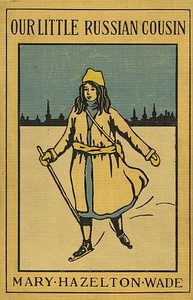
Our Little Russian Cousin
Written by Mary Hazelton Blanchard Wade
Chaptra reads alongside you — AI insights, chapter breakdowns and reader discussions for every book. Join free
About this book
Reading guide
Themes, characters and key ideas in Our Little Russian Cousin, written by Chaptra AI.
- about 3 hours
- beginner
- educational
- charming
- wholesome
Mary Hazelton Blanchard Wade's "Our Little Russian Cousin" is an early 20th-century children's book that immerses young readers in the life of a 10-year-old Russian girl named Petrovna in St. Petersburg. The narrative charmingly details Petrovna's daily routines, family life, and cultural experiences, from skating on frozen rivers to lessons with her governess. It serves as an educational tool, vividly depicting Russian customs, traditions, and societal aspects through a child's relatable perspective. The story culminates in an exciting journey to the Great Fair of Nijni-Novgorod, showcasing Russia's diverse cultural tapestry and emphasizing universal themes of childhood and family. The book aims to foster cross-cultural understanding and appreciation for a different way of life.
“Petrovna loved the crisp St. Petersburg air, perfect for skating and coasting on the frozen Neva.”
Key themes
- Cultural Education and Understanding
- The primary aim of the book is to introduce young Western readers to the customs, traditions, and daily life of children in Russia, fostering cross-cultural awareness and empathy. It details everything from meals and clothing to religious practices and social interactions, making a foreign land accessible.
- Childhood and Innocence
- The narrative explores universal aspects of childhood through Petrovna's experiences, emphasizing play, learning, and discovery within a unique cultural context. It highlights the simple joys and routines of a child's life, making the foreign setting relatable through shared human experiences.
- Family Values and Tradition
- The book subtly underscores the importance of family bonds, respect for elders, and the perpetuation of cultural traditions through generations. Petrovna's interactions with her parents and brother, and the observance of family rituals, reinforce these foundational values within Russian society.
Worth discussing
How does 'Our Little Russian Cousin' portray Russian culture and daily life, and what aspects stand out to you?
Chapter-by-chapter breakdowns, character arcs and the full thematic analysis come with a free account.
Discussions
No one has started one yet
Questions this book opens up
No discussions yet
Be the first to start a discussion about this book!
Sign up to start the discussionReviews
No reviews yet
Be the first to review this book!