
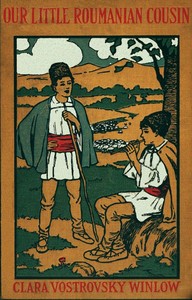
Our Little Roumanian Cousin
Written by Clara Vostrovsky Winlow
Chaptra reads alongside you — AI insights, chapter breakdowns and reader discussions for every book. Join free
About this book
Reading guide
Themes, characters and key ideas in Our Little Roumanian Cousin, written by Chaptra AI.
- about 2 hours
- beginner
- uplifting
- educational
- charming
Clara Vostrovsky Winlow's "Our Little Roumanian Cousin" is an early 20th-century children's book that introduces young readers to Roumanian culture through the eyes of a boy named Jonitza. Recovering from an illness, Jonitza is accustomed to his family's care, but his doctor prescribes a month-long trip to a farm for his health. The narrative follows Jonitza's initial reluctance transform into excitement as he anticipates a rural adventure. The book serves as an educational tool, depicting the daily life, customs, games, and family dynamics of Roumania, setting the stage for his experiences in the countryside. It aims to foster cultural understanding and appreciation among its young audience.
“"A month upon a farm is the best medicine for a growing boy, especially one who needs to regain his strength."”
Key themes
- Cultural Immersion and Education
- The core purpose of the 'Little Cousin Series' is to introduce young readers to different cultures. This book achieves this by detailing the everyday life, customs, games, and family dynamics of Roumanian people through Jonitza's experiences, fostering understanding and appreciation for diversity.
- Childhood and Innocence
- The narrative is filtered through the innocent and curious perspective of a child, Jonitza. It explores the simple joys, apprehensions, and discoveries inherent in childhood, making the cultural lessons relatable and engaging for young readers.
- Family Bonds and Care
- The strong bonds within Jonitza's Roumanian family are immediately evident, particularly in their devoted care for him during his illness. The family unit is portrayed as a source of comfort, security, and guidance.
Worth discussing
How does the book introduce Roumanian culture to young readers, and what specific examples stand out?
Chapter-by-chapter breakdowns, character arcs and the full thematic analysis come with a free account.
Discussions
No one has started one yet
Questions this book opens up
No discussions yet
Be the first to start a discussion about this book!
Sign up to start the discussionReviews
No reviews yet
Be the first to review this book!